Dreaming of a month-long travel shoot filled with unique travel experiences, but worried about your wallet? You’re not alone! Planning an adventure that fuels your passion for photography tips and travel lifestyle doesn’t have to drain your bank account. From setting a budget and picking wallet-friendly destinations to smart packing and connecting with local creatives, there are plenty of ways to make your dream trip a reality. Ready to explore how you can capture stunning moments without breaking the bank? Let’s dive in!
Set a Realistic Budget
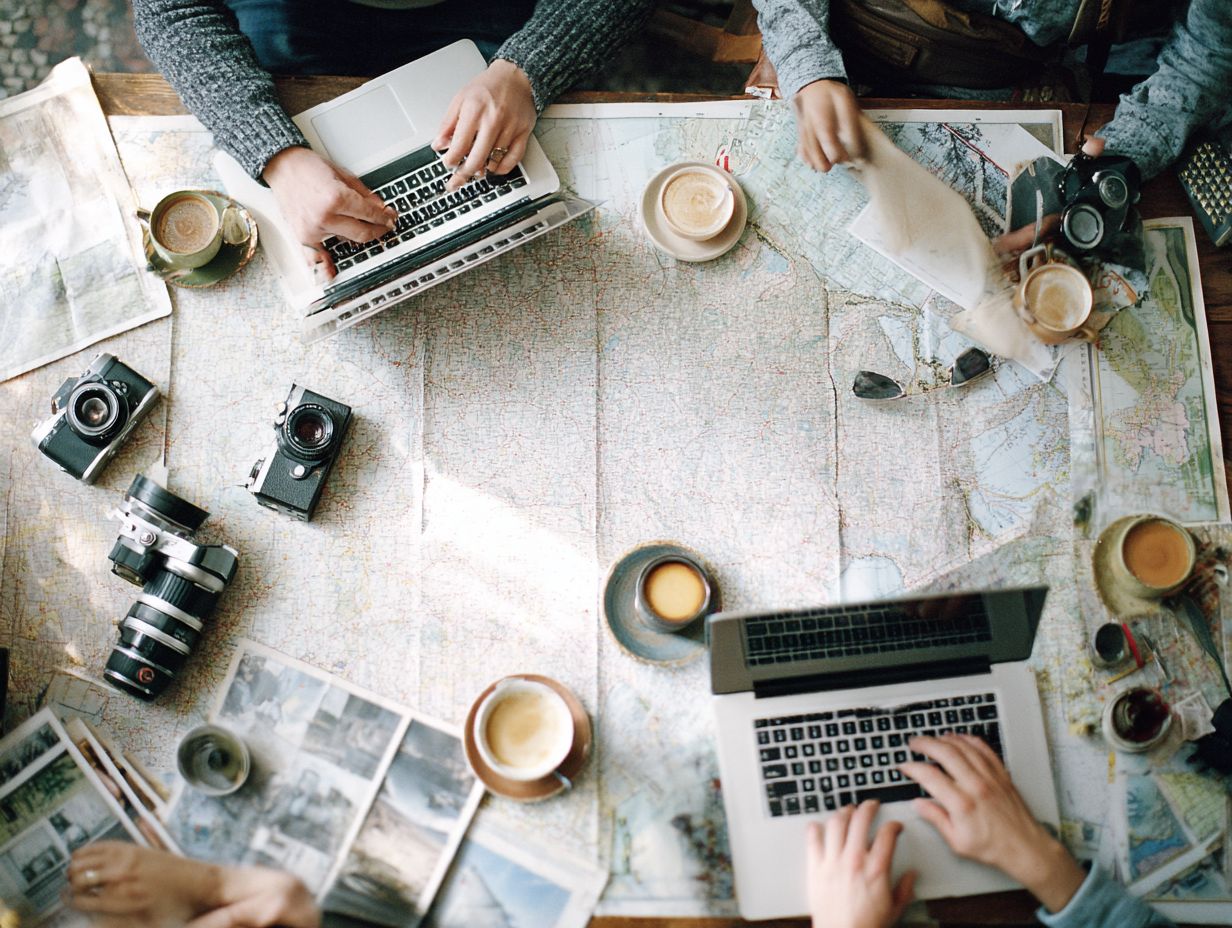
Have you ever found yourself in a tight financial situation while traveling? To prevent financial strain during your trip, it is advisable to start by creating a detailed budget.
Begin by listing your daily expenses, including accommodation, meals, transportation, and activities.
To assist you in this process, consider utilizing budgeting apps like Mint for real-time spending tracking, or Google Sheets if you prefer a more customizable approach. Allocate a specific amount for each category and make it a point to monitor your spending on a daily basis.
For instance, if you are traveling for a week with a budget of $700, you might aim to spend no more than $100 on food and $50 on transportation each day. Be prepared to adjust these amounts as necessary based on your actual daily expenditures.
Choose Affordable Destinations
Imagine discovering a remarkable destination that allows you to explore without putting a strain on your finances. During my travels, I found myself enchanted by the city of Porto, Portugal. Its vibrant streets, rich history, and affordable cuisine quickly made it one of my favorite places.
I savored a delightful meal of Francesinha for just EUR10, and I enjoyed a scenic river cruise for a mere EUR15.
To uncover such treasures, I relied on Trivago to find budget accommodation options, which offered stylish stays for under EUR70 a night. Additionally, I explored local Facebook groups for valuable insider tips on free walking tours. This combination of strategies not only enhanced my experience but also helped me keep my expenses in check.
Plan Your Travel Itinerary Wisely
Regarding travel, having a well-organized travel itinerary can truly make the difference between chaos and a memorable adventure. Digital applications such as TripIt and Google Trips enhance efficiency and provide real-time updates, which are essential for today’s travelers.
TripIt enables you to consolidate all your travel plans into one place, while Google Trips automatically organizes relevant information from your Gmail account.
Conversely, traditional paper planners offer a tactile experience that many find appealing. They can be customized with stickers or drawings, which allows for a more creative expression.
Ultimately, the choice between digital and paper planning should reflect your personal style. For those who are tech-savvy and prefer organization through apps, digital tools are invaluable. Meanwhile, for individuals who enjoy a hands-on approach, a physical journal may be the perfect fit.
Utilize Cost-Effective Budget Accommodation Options
Staying stylish during your travels does not necessarily require booking luxury hotels. It may be worth considering unique accommodations, such as boutique hotels, vacation rentals, or fashionable hostels.
For example, utilizing platforms like Airbnb or VRBO for accommodation can lead you to charming homes or apartments that truly reflect the local culture. A boutique hotel often provides personalized service and distinctive decor without the hefty price tag associated with larger hotel chains. Additionally, exploring options like HI Hostels can reveal private rooms equipped with modern amenities.
By diversifying your accommodation choices, you can enjoy a stylish stay while potentially saving money and experiencing local life in a more intimate way.
Leverage Local Transportation Options
Imagine if I suggested that taking the bus could actually enhance your travel experience. Public transportation, especially buses, often offers unique local experiences that other travel methods simply cannot match.
For instance, many cities provide travel passes specifically for tourists, which can save you money while allowing for unlimited rides. In Chicago, for example, the Visitor Day Pass is available for just $10. Additionally, certain bus routes take you through scenic neighborhoods, giving you an authentic glimpse of local life.
To maximize your bus travel experience, consider downloading apps like Moovit or Citymapper. These tools provide real-time schedules and route planning, making it much easier for you to navigate your journey with confidence.
Research Local Food Options
Have you ever found yourself torn between the desire to try local cuisine and the need to stick to a budget? One insightful traveler, Sarah, navigated her trip to Thailand with a daily food budget of just $10. She made the wise decision to indulge in street food, relishing dishes such as pad thai and mango sticky rice, each costing around $2.
By opting for the lively atmosphere of night markets instead of traditional restaurants, Sarah was able to enjoy diverse local cuisine, enhancing her experience while keeping her expenses in check. She also utilized apps like Grab to discover affordable local dining options.
This strategy not only broadened her culinary horizons but also enabled her to fully immerse herself in the local culture, making her trip both memorable and budget-friendly.
Invest in Travel Safety with Travel Insurance
Understanding travel insurance can often feel like navigating a complex legal document. To simplify the process, it is helpful to start by comparing three main types of policies: comprehensive, trip cancellation, and primary medical coverage.
-
Comprehensive plans cover a wide range of incidents, such as flight delays and lost baggage, making them ideal for frequent travelers.
-
On the other hand, trip cancellation policies primarily safeguard your investment by reimbursing costs if you need to cancel your trip.
-
Primary medical coverage focuses specifically on health-related issues, which is particularly important when traveling internationally.
To evaluate your options based on your destination and specific needs, utilizing comparison websites like InsureMyTrip or Squaremouth can be quite beneficial.
Create a Packing List
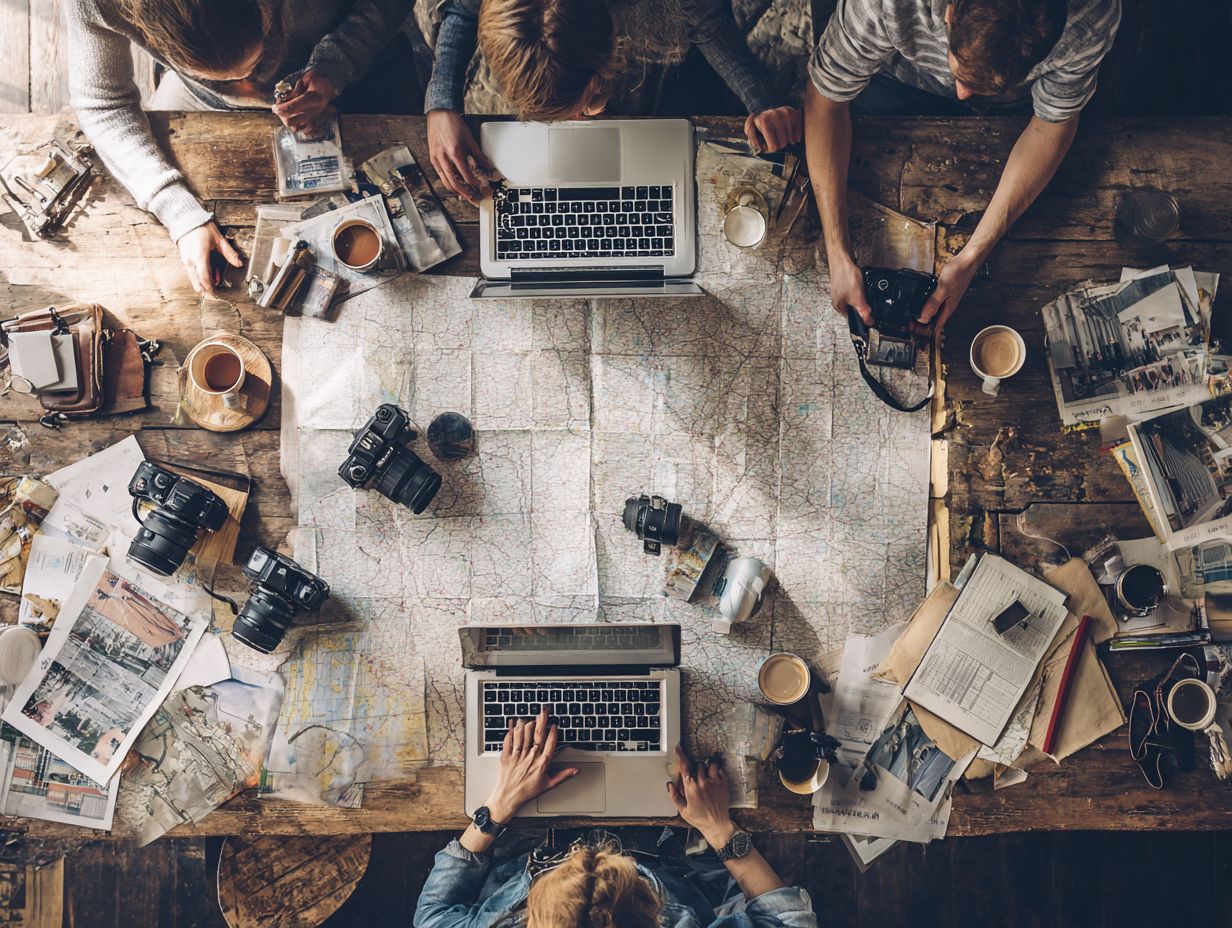
Have you ever reached your destination only to realize that you left behind some of your most essential items? To prevent this travel mishap, it is advisable to create a budget packing checklist that includes multi-use items.
For instance, consider incorporating versatile clothing into your packing list, such as a lightweight scarf that can serve as a blanket, a beach cover-up, or a stylish accessory. Additionally, travel-sized toiletries that can function as both shampoo and body wash are practical choices.
A portable charger is another essential, as it can power multiple devices, ensuring that you remain connected throughout your journey. Furthermore, opting for a collapsible backpack for day trips allows you to have extra storage without taking up unnecessary space in your luggage.
This approach not only keeps your essentials organized but also minimizes stress when exploring new destinations.
Use Free or Low-Cost Shooting Locations
Do you believe that achieving stunning photographs requires a significant financial investment? It might be time to reconsider that notion.
There are countless breathtaking locations that offer incredible backdrops without the burden of a hefty price tag. For instance, local parks are often filled with vibrant landscapes and unique flora that can enhance your photography.
Beaches present picturesque sunsets and dynamic horizons, while urban areas frequently boast striking architecture and captivating street art.
If you’re seeking a touch of history, exploring abandoned buildings or unique architectural structures in your area can provide settings that evoke powerful emotions in your images.
Arming yourself with a good camera or even a smartphone can open up a world of possibilities, and allowing natural light to guide your photography journey can lead to truly remarkable results.
Network with Local Photographers
Imagine the possibilities if connecting with a local photographer could reveal the hidden gems of their city through cultural experiences. Engaging with a photography community can greatly enhance your skills and broaden your perspective.
Platforms like Meetup organize local gatherings where photographers come together to share insights and showcase their work. Online forums, such as Reddit’s r/photography, offer spaces for valuable feedback and collaboration.
Additionally, consider exploring social media groups-like local photography pages on Facebook-to discover workshops or photo walks in your area. Participating in these events not only allows you to learn from others but also cultivates meaningful relationships within your local photography community.
What Equipment Do You Really Need?
Packing light can indeed be a challenge, particularly when it involves camera gear. Many professional photographers recommend choosing versatile equipment, especially for those who are traveling on a budget.
For example, the Sony Alpha a6000 mirrorless camera provides excellent image quality while maintaining a compact size. When paired with a 35mm f/1.8 lens, it becomes suitable for capturing both sharp landscapes and stunning portraits.
Additionally, using a lightweight tripod, such as the Joby GorillaPod, can ensure stable shots without significantly increasing your load. It’s also wise to carry extra memory cards and a portable charger, as these small items can make a substantial difference during long shooting sessions. Incorporating travel photography tips, such as packing efficiently, can greatly enhance your travel photography experience.
By prioritizing multifunctional travel photography gear, you can keep your pack light while ensuring that your shots remain impressive.
How to Find Discounts and Deals?
Could smart searching lead to remarkable travel deals and travel vouchers that you may not have been aware of?
Absolutely! It is advisable to begin by utilizing flight comparison websites such as Google Flights or Skyscanner, where you can set price alerts for specific routes.
Additionally, consider exploring applications like Hopper, which uses historical data to predict the optimal times to make a purchase.
Following airlines on social media can also be beneficial, as they frequently announce flash sales or exclusive discounts.
Moreover, using incognito mode in your browser while searching for flights can help you avoid price increases triggered by repeated searches.
By employing each of these strategies, you can significantly enhance your chances of securing the best travel deals available.
What Are the Best Times to Shoot?
Capturing the perfect shot often depends on timing, but how can one determine when that ideal moment occurs? A good starting point is to research the concept of the golden hour, which takes place shortly after sunrise and just before sunset.
Utilizing tools such as the Sun Surveyor app can help you pinpoint these times accurately, tailored to your specific geographic location. It is also prudent to consider the weather forecast, as clear days tend to enhance lighting conditions significantly.
Moreover, observing local activity patterns can provide valuable insights; for example, capturing street life is often most effective during morning commutes or weekend festivals.
Experimenting with different times for similar subjects will not only refine your skills but also deepen your understanding of optimal lighting and the overall mood.
How to Stay Organized During Your Trip?
Have you ever returned from a trip only to discover that you forgot your itinerary amidst the packing chaos? To prevent this situation, it’s advisable to create a digital folder specifically for your travel documents. Utilizing cloud storage tools such as Google Drive or Dropbox allows for easy access from any device.
In this folder, include essential files such as your itinerary, hotel reservations, transportation tickets, and travel expenses tracking sheets. To enhance your organization, consider using a note-taking app like Evernote to maintain a checklist tailored to your destination.
Before embarking on your trip, share the folder with your travel companions to ensure that everyone is well-informed. This system not only helps keep everything in order but also prevents important documents from being lost in the shuffle.
Tips for Editing on the Go
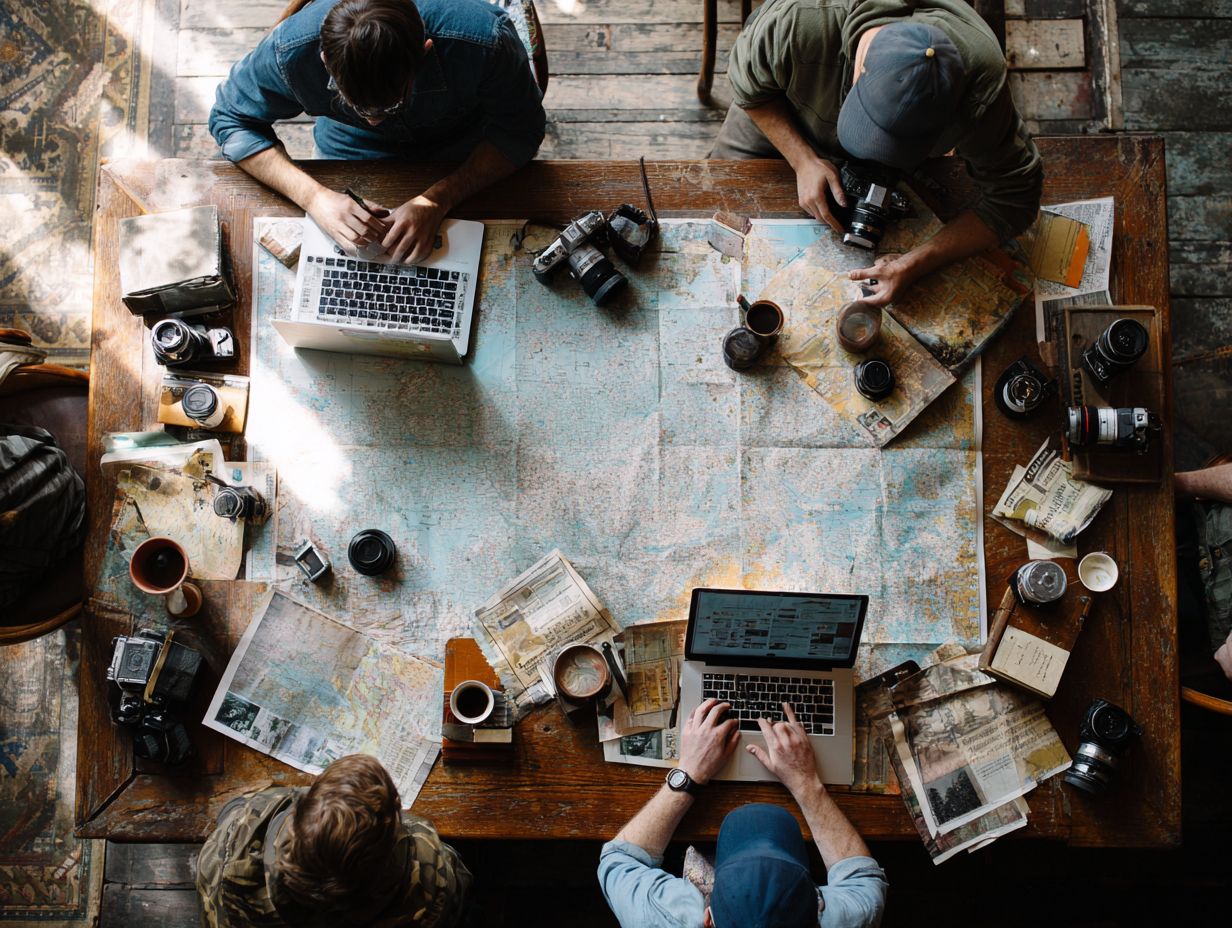
Editing photos while traveling may seem like a daunting task, but it certainly does not have to be. To simplify the process, you might consider using editing software like Snapseed, which offers robust editing tools and an intuitive interface, or Lightroom Mobile, known for its professional-grade adjustments.
If you prefer quick edits, VSCO provides preset filters that can enhance your photos in an instant. It is also helpful to establish a routine; selecting a specific time each day for editing can make a significant difference, and utilizing downtime during your travels can be quite advantageous.
Lastly, it is crucial to back up your photos. Cloud services like Google Drive offer easy access and protection for your cherished memories, ensuring that they are safe and readily available whenever you need them.
How to Share Your Work Effectively?
In a world rich with captivating imagery, the question arises: how can one ensure their photography stands out? Emma, a dedicated traveler, found her answer by blending storytelling with her photographs.
On Instagram, she crafted themed narratives for each post, sharing behind-the-scenes insights and cultural anecdotes that truly resonated with her audience.
Utilizing tools such as Adobe Lightroom, Emma enhanced her images, while strategic hashtags like #Wanderlust and #TravelDiaries helped her extend her reach and boost her social media exposure.
By actively engaging with her followers through comments and polls, she fostered a loyal community around her work.
As time passed, her follower count skyrocketed from hundreds to tens of thousands, demonstrating that authenticity and connection are vital components in the ever-crowded social media landscape.
What to Do After the Trip?
The adventure does not conclude upon returning home; rather, it marks the beginning of sharing your journey. To effectively document and convey your travel experiences, consider utilizing platforms such as Instagram for stunning visuals or a travel blog for more in-depth narratives.
You might also create an engaging travel video on YouTube to showcase highlights, or turn to TikTok for short, entertaining clips. Organizing your photos with tools like Adobe Lightroom or Google Photos can facilitate easy editing and categorization.
For your written content, using Evernote to jot down thoughts during your trip can be quite beneficial. Additionally, engaging with your audience through social media or a dedicated travel group can prompt meaningful discussions about your adventures.
How to Reflect on Your Experience?
Every trip adds a new chapter to one’s personal story, but how can one effectively connect the dots?
One effective method for linking travel experiences is reflective journaling. Begin by writing about what the trip meant to you. Consider asking yourself questions such as:
- What surprised you?
- What challenges did you face?
Utilizing tools like Journey or Day One can help you organize your entries chronologically, allowing you to include photos and locations for a richer narrative. At the end of each trip, it is beneficial to summarize your learnings in a brief paragraph. This practice not only enhances your memories but also aids in evolving your travel style for future adventures.
How can you minimize gear while traveling?
Are you prepared to streamline your gear and lighten your load? It begins with an assessment of your shooting styles, whether you prefer portrait, landscape, or video.
For portrait photography, a prime lens like the Canon 50mm f/1.8 is an excellent choice; it is lightweight and delivers stunning images. If your focus is on landscapes, you might consider a versatile zoom lens such as the Tamron 17-28mm f/2.8.
Opting for a compact camera body, like the Fujifilm X-T30, allows you to achieve high image quality without the added bulk. To make the most of your space, investing in a multi-functional tripod that can also serve as a monopod is advisable.
These selections will help you create a balanced kit, well-suited for a variety of photography scenarios.
What are the best budget-friendly camera options?
One does not necessarily require the latest model to capture stunning images. For instance, consider the Canon EOS Rebel T7, Nikon D3500, and Fujifilm X-T200.
The Canon EOS Rebel T7 is designed with user-friendliness in mind and features a 24.1 MP sensor, making it an excellent choice for beginners who seek higher image quality. The Nikon D3500, which boasts a 24.2 MP sensor and impressive battery life, is ideal for those who desire a straightforward DSLR with manual control options. On the other hand, the Fujifilm X-T200 presents a compact design and offers unique film simulation modes, appealing to individuals interested in lightweight travel options.
Typically, each of these cameras retails for under $700, making them accessible choices for aspiring photographers.
Where can you look for travel deals?
Searching for travel deals can often feel like an overwhelming task, akin to searching for a needle in a haystack. To make this process more manageable, consider utilizing these common strategies.
- Begin by visiting websites such as Kayak and Skyscanner, which compile flight and hotel prices from various sources.
- Subscribe to newsletters from travel companies like Expedia and Airbnb to receive exclusive discounts delivered directly to your inbox.
- Download applications such as Hopper or Travelzoo, which provide time-sensitive deals and personalized price alerts.
By integrating these resources into your search, you can simplify the process and enhance your savings for your next getaway.
How can you use social media for discounts?
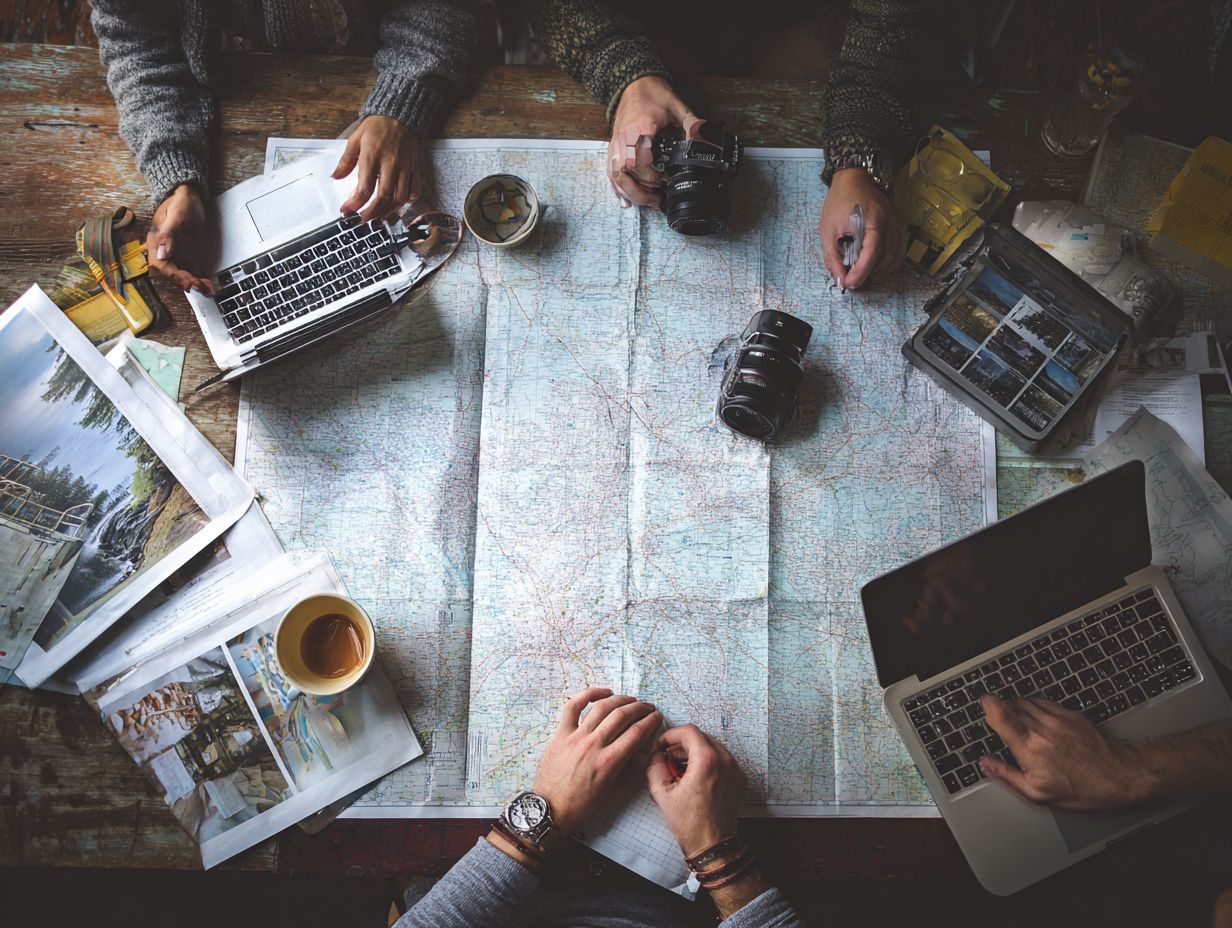
Social media can serve as an incredibly powerful tool for obtaining discounts. To effectively leverage social media for this purpose, one should begin by following brands on platforms like Instagram and Twitter, where these companies frequently announce flash sales and offer travel rewards.
Additionally, joining Facebook groups specifically dedicated to deal hunters can provide access to exclusive offers. Many brands appreciate engagement, so by liking, sharing, or commenting on their posts, you may occasionally be rewarded with discounts.
Utilizing hashtag searches such as #deals or #discounts on Twitter can also help uncover time-sensitive offers. For instance, a savvy shopper recently managed to secure a 30% off coupon for a popular fashion brand simply by participating in a Twitter giveaway.
How can you take advantage of natural lighting?
One of the most crucial aspects of exceptional photography techniques is often overlooked: natural light. To utilize natural light effectively, it is advisable to shoot during the golden hour-just after sunrise or before sunset-when shadows appear softer and the light takes on a warmer tone.
It is essential to adjust your DSLR cameras settings accordingly; for instance, setting your aperture to a wide f-stop (such as f/2.8) can create a beautiful background blur while ensuring a shutter speed that prevents motion blur.
When shooting in direct sunlight, consider using a reflector to bounce light onto your subject. Incorporating lighting equipment, this technique enhances details and minimizes harsh shadows.
By experimenting with these methods, you can significantly elevate the quality of your images, building a travel photography portfolio.
What are the peak travel seasons for your destinations?
Strategically timing your travels can greatly influence both your experience and your expenses, emphasizing the importance of travel budget planning tools. When planning a trip, it is important to consider the three travel seasons: peak, shoulder, and off-peak.
Peak seasons, which typically occur during holidays or summer months, are characterized by lively atmospheres and a wealth of activities; however, they often come with elevated prices and larger crowds. In contrast, shoulder seasons-such as late spring or early fall-offer a more balanced experience. During these times, the weather remains pleasant, crowds are more manageable, and costs decrease significantly.
Off-peak seasons, usually falling in the winter months, can lead to considerable savings. However, they may also present some challenges, such as closed attractions or less favorable weather conditions.
Ultimately, you should choose your travel timing based on the experience you prioritize, whether that be the festive energy of peak season or the cost efficiency of off-peak travel and location permits.
Frequently Asked Questions
1. How can I plan a month-long trip travel shoot without breaking the bank?
To plan a month-long travel shoot without breaking the bank, consider creating a budget travel plan and sticking to it. This can include setting aside a specific amount of money for transportation, accommodations, and food, as well as researching affordable options for each aspect of the trip.
2. Are there any ways to save money on transportation for a month-long travel shoot?
Yes, there are several ways to save money on transportation for a month-long travel shoot, including smart payment methods.
One option is to use public transportation or ride-sharing services instead of renting a car or taking taxis. Another option is to look for deals on flights or consider using a travel rewards credit card to earn points for future trips.
3. How can I find affordable accommodations for a month-long travel shoot?
To find affordable accommodations for a month-long travel shoot, consider staying in hostels or using rental sites like Airbnb. You can also research budget hotels or consider staying in local guesthouses or homestays instead of luxury hotels. Additionally, be flexible with your travel dates to take advantage of discounted rates.
4. What are some ways to save money on food expenses during a month-long travel shoot?
One way to save money on food during a month-long travel shoot is to shop at local markets or grocery stores and cook your own meals. This can also give you a taste of the local cuisine. Another option is to look for affordable restaurants or street food vendors instead of expensive tourist spots. You can also pack non-perishable snacks to avoid constantly buying food while on the go.
5. How can I stay within my budget while still enjoying the activities and sights during a month-long travel shoot?
To stay within your budget while still enjoying the activities and sights during a month-long travel shoot, prioritize which activities are most important to you and plan accordingly. Look for free or discounted activities, and consider purchasing attraction or city passes that offer discounts on multiple attractions. You can also research free walking tours or outdoor activities like hiking or visiting parks.
6. Are there any other tips for planning a budget-friendly month-long travel shoot, considering location scouting?
Plus the tips mentioned above, consider traveling during the off-season to take advantage of lower prices and fewer crowds, keeping in mind environmental considerations.
You can also join travel groups or communities to get insider tips and recommendations for affordable travel options. Lastly, be open to trying new experiences and be willing to adjust your plans if a more affordable opportunity arises.
For more destination guides, gear reviews, and creative inspiration, visit Travel & Lifestyle Tips for Creators and start planning your next unforgettable shoot.