
Where Travel Meets Creativity
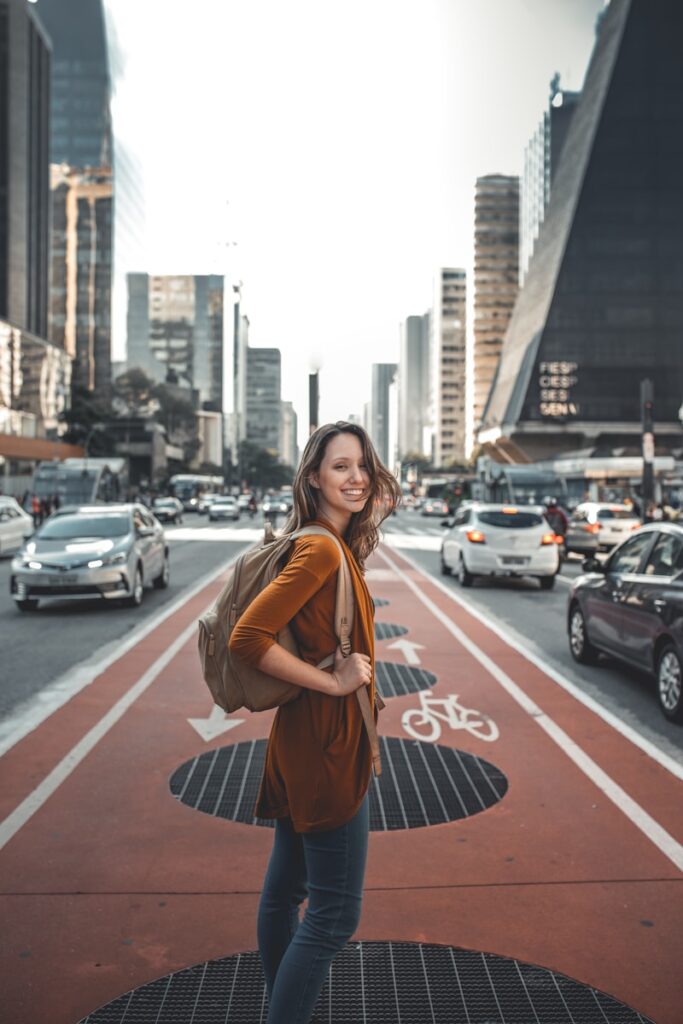
From the bustling streets of Ulaanbaatar to sun-kissed beaches, UB Guest connects travelers, models, and content creators with the inspiration and resources they need to explore, shoot, and share.
We started as a humble guesthouse in Ulaanbaatar, Mongolia — a place where backpackers shared stories over tea and planned their next adventure. Today, UB Guest has evolved into a global travel and lifestyle hub for models, influencers, and content creators who want to explore the world, capture stunning visuals, and connect with audiences everywhere.
CTA Buttons:
- Explore Destinations
- Meet the Creators
- Gear & Tips for Travelers
Our Story
UB Guest began as a trusted name in Mongolia’s travel scene, welcoming adventurers from every corner of the globe. Over time, we noticed a new wave of travelers — creators who weren’t just here for the sights, but also to shoot content, tell stories, and build their personal brands.
So we evolved.
Now, we combine our deep travel expertise with creator-focused lifestyle advice, bridging the gap between wanderlust and creative ambition.
What You’ll Find Here
1. Destination Guides for Creators
We go beyond “Top 10 things to do” lists. Our destination guides focus on:
- The most photogenic spots (and when to shoot them)
- Local connections for content collaborations
- Affordable yet stylish stays for short or long shoots
- [Read Destination Guides →]
2. Creator Spotlights
Meet the influencers, models, and creatives who’ve turned travel into art — and income.
- Learn their travel hacks
- Discover their favorite shoot locations
- See how they blend lifestyle with brand building
- [Meet the Creators →]
3. Gear & Packing Tips
From compact cameras that fit in your carry-on to portable lighting setups for hotel rooms, we test and recommend gear that works in real travel conditions.
- Cameras, drones, and tripods
- Lighting, backdrops, and props
- Storage and backup tools
- [View Gear Guides →]
4. Exotic Photoshoot Ideas
From Morocco’s golden dunes to Bali’s lush jungle villas, we’ll show you locations and concepts that elevate your shoots and set you apart.
- Beach lingerie shoots
- Urban neon night photography
- Minimalist hotel suite setups
- [Browse Photoshoot Ideas →]
5. Lifestyle Tips for Traveling Creators
Learn how to:
- Stay fit on the road
- Monetize your travel content beyond subscription platforms
- Balance work and adventure while building your personal brand
- [Read Lifestyle Tips →]
Featured Destination – Ulaanbaatar: A Creator’s Guide
Our roots are here. Ulaanbaatar offers a mix of modern cityscapes, nomadic traditions, and rugged natural beauty — a perfect backdrop for travel content.
- Best shoot spots: Gandan Monastery, Sükhbaatar Square, Terelj National Park
- Local tip: The golden hour here lasts longer in summer — perfect for outdoor shots.
Why Creators Choose UB Guest
- Travel Experience: Decades of knowledge in real-world travel logistics.
- Creative Insight: Tailored advice for content creators, models, and influencers.
- Global Network: Collaborations and features that connect you with like-minded travelers.
- Building a Simple Evening Routine After a Long Travel Day

A travel day rarely ends when the plane lands.
There is still the ride to your accommodation, the check-in process, the search for dinner, and perhaps a few messages that cannot wait until morning. If you create content while traveling, add battery charging, file backups, and tomorrow’s plans to the list.
By the time you put your bag down, it is easy to make the evening more complicated than it needs to be.
A useful travel routine starts with a few familiar habits: organize what matters, eat, settle in, and leave room for rest. Personal-care products can fit into that routine, but they should earn their place in your bag through convenience rather than ambitious promises.
Finish the Essential Tasks First
Before unpacking everything, identify what genuinely needs to happen tonight.
Charge the phone. Confirm the next day’s meeting point. Back up the photographs you cannot replace. Put your passport and other important items somewhere secure.
Then stop adding tasks.
It is tempting to treat an unfamiliar room as a temporary office and use the whole evening to catch up. Tomorrow’s version of you may benefit more from a clear plan and an earlier finish.
For creators, a short shutdown checklist helps:
- Save and back up the day’s work.
- Put batteries and devices on charge.
- Choose the equipment needed for the morning.
- Write down the first task for tomorrow.
Once those jobs are finished, give yourself permission to leave the rest.
Keep Personal Care Familiar
An evening away from home is usually a poor time to introduce several unfamiliar products.
If you already use a moisturizer or topical comfortably, familiarity can be an advantage. You know the packaging, the scent, and the directions.
Buying a new product simply because a hotel shop stocks it may add uncertainty rather than convenience.
A compact routine might include washing up, changing into comfortable clothes, and using your usual personal-care products as directed. You do not need to recreate every detail of home, but keeping a few familiar steps can make the room feel less temporary.
For a first purchase, ask whether the product solves a real travel inconvenience. A small tube may be easier to pack than a glass jar. A pump may be awkward to secure. A roller may be convenient for a specific area but unsuitable for broader application.
Understand Cannabis Products Before Adding Them to the Routine
Cannabis-related products can look similar while containing different ingredients and being intended for different uses.
A jar described as a CBD salve should not be treated as interchangeable with a THC-containing topical. Nor should a topical be confused with an oil intended for oral use.
If you are researching that distinction, 420 Magazine’s article on the differences between CBD salves and THC topicals is relevant background reading before choosing a product.
Look at the actual formulation and directions rather than relying on a familiar-looking package.
Travel also adds a separate question: whether you can possess or carry that particular product throughout the journey. Purchase availability does not establish permission to take it across a border. Check official rules for your route and destination before packing.
Avoid Adding Several New Things at Once
An unfamiliar bed, a late meal, a different time zone, and a new personal-care product can all arrive on the same evening.
If you feel uncomfortable afterward, identifying the cause becomes difficult.
Keep the first evening straightforward. There is no need to combine a new supplement, unfamiliar cannabis product, and several other changes because a trip feels like a fresh start.
The FDA’s consumer information about CBD discusses product-quality concerns and possible interactions with medicines. Those are reasons to research a product before travel rather than make a rushed decision at the end of a tiring day.
If you take medication, ask a pharmacist or clinician about adding a CBD product. Have the ingredient list available so the conversation concerns the actual formula.
Give Your Bag a Permanent Place
Small room arrangements can make the evening and the next morning easier.
Choose a place for your bag that does not block the walking route. Keep charging cables away from the floor beside the bed. Put tomorrow’s shoes somewhere you will see them.
This is especially helpful when you arrive late and expect to leave early.
You can also create a single place for personal-care items. A washable pouch or tray keeps containers together and makes it easier to notice something before checkout.
Keep products in their original labeled packaging. Transferring an unfamiliar formula into an unmarked container may save a little space while creating confusion later.
If you share accommodation, make sure other people can distinguish your personal-care products from shared toiletries.
Make Tomorrow Smaller
Travel plans often grow during the evening. You discover another viewpoint, café, market, or shoot location and try to fit everything into the next day.
Instead, decide what matters most.
Choose one main activity and identify the practical details: when to leave, how to get there, what to bring, and where you can take a break.
For a content shoot, decide which equipment and outfits you will actually use. Carrying everything creates more decisions on location and more unpacking afterward.
A manageable plan also makes it easier to notice a good opportunity when it appears. You are less likely to rush past something interesting because the schedule has become crowded.
Leave Time Without a Task
An evening routine does not need to become another performance.
You can sit quietly without turning it into content. You can enjoy a meal without photographing every plate. A few minutes without messages may be more welcome than another wellness purchase.
If gentle movement feels comfortable, a brief walk around the accommodation may help you explore the surroundings and orient yourself for the morning. Avoid forcing activity when you are unwell or injured.
The point is to choose an evening you can repeat during an ordinary trip, including the days when things run late.
Pack What You Actually Use
After a few journeys, review what stayed untouched in your bag.
Perhaps you carried three products and used one. Perhaps a supposedly convenient container leaked, while a basic tube worked perfectly well.
Use those observations to simplify the next trip.
A reliable travel routine is built from details you have tested: a secure bag, a practical plan, familiar personal care, and enough time to settle down. The best item in your luggage is often the one that quietly makes the evening easier.
- How Alternative Wellness Is Becoming Mainstream For Seniors Seeking Pain Relief
My 78-year-old neighbor stopped taking her prescription pain meds last year. Instead, she now swears by weekly acupuncture and gentle chair yoga. She’s not alone. Across the country, seniors are quietly trading pill bottles for heated massage chairs, Tai Chi classes, and app-guided meditation-often with their doctors’ blessing. This shift isn’t just about avoiding side effects; it’s reshaping how we think about aging and comfort. What once seemed fringe is becoming standard care, covered by some Medicare Advantage plans and endorsed in leading clinics.
Introduction: The Shift Toward Alternative Pain Relief
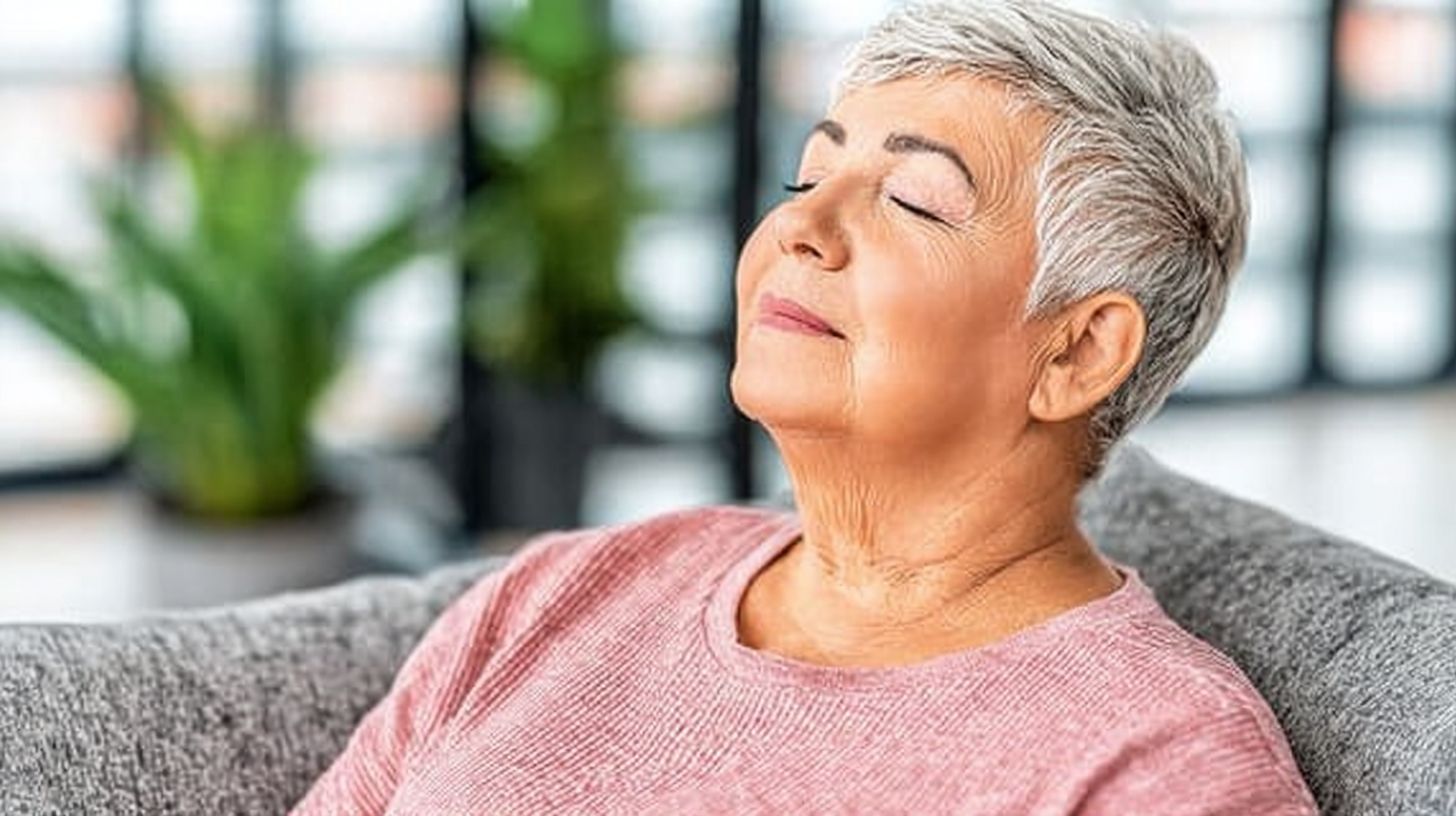
Alternative wellness used to feel fringe. Now 73 million US seniors with chronic pain are trying acupuncture and yoga in bigger numbers than ever. The National Center for Complementary and Integrative Health tracked a 45% jump in those therapies among adults 65+ from 2012 to 2022.
Medication side effects are a big reason.
Recent data shows 73% of seniors already use at least one non-drug approach. Medicare started covering acupuncture for lower back pain in 2020, and that coverage has kept expanding. When insurance pays, the option gets real fast.
I heard the same story from a geriatrician at Mayo Clinic. Patients walk in these days already asking about tai chi or meditation apps instead of another pill. Five years ago, those questions hardly came up.
The money backs it up. Seniors spent $34.6 billion on these therapies in 2023. The total keeps rising as more people find actual relief.
Understanding Senior Pain Challenges
After 65, the body processes drugs more slowly, so the same dose that once worked can now build up and cause trouble. AGS 2022 guidelines point out that adverse drug events run three times higher in older adults than in younger ones.
Body systems change with age. Organs work slower, so drugs linger longer in the bloodstream.
And when pain sticks around for months or years, that lingering effect turns into a real hazard. That’s why many seniors look for ways to handle pain that don’t rely only on pills.
Pain messes with sleep, mood, and how well you move. Miss one good night and the next day feels twice as hard, and the loop keeps repeating.
Common Conditions and Limitations of Traditional Medicine
Osteoarthritis alone affects 32.5 million people in the US. The CDC says 65% of adults over 65 show signs of knee osteoarthritis on an X-ray, yet long-term NSAID use puts 15-35% of those over 70 at risk for GI bleeds.
Chronic low back pain hits 28.4 million seniors. Surgery can fix some cases, but recovery often drags on for months and the odds of complications climb with every added birthday.
Fibromyalgia is hard to pin down because blood work can look normal even when the aches flare for no clear reason.
Post-herpetic neuralgia sticks around long after the shingles rash disappears. The burning nerve pain can go on for years, and the usual anticonvulsants often cause dizziness that raises fall risk.
Standard 0-10 pain scales miss the mark for about 40% of seniors who struggle with memory or focus, NIH research shows. So instead of asking for a number, some practitioners now turn to acupuncture and gentle massage to go by what patients feel rather than what they report on a chart.
Yoga and tai chi can ease stiff joints while helping balance, and both work even when mobility is limited.
Meditation and mindfulness often become daily tools when the pills no longer cut it. The aim stops being total relief and starts being learning how to live with what’s left.
Popular Alternative Wellness Modalities
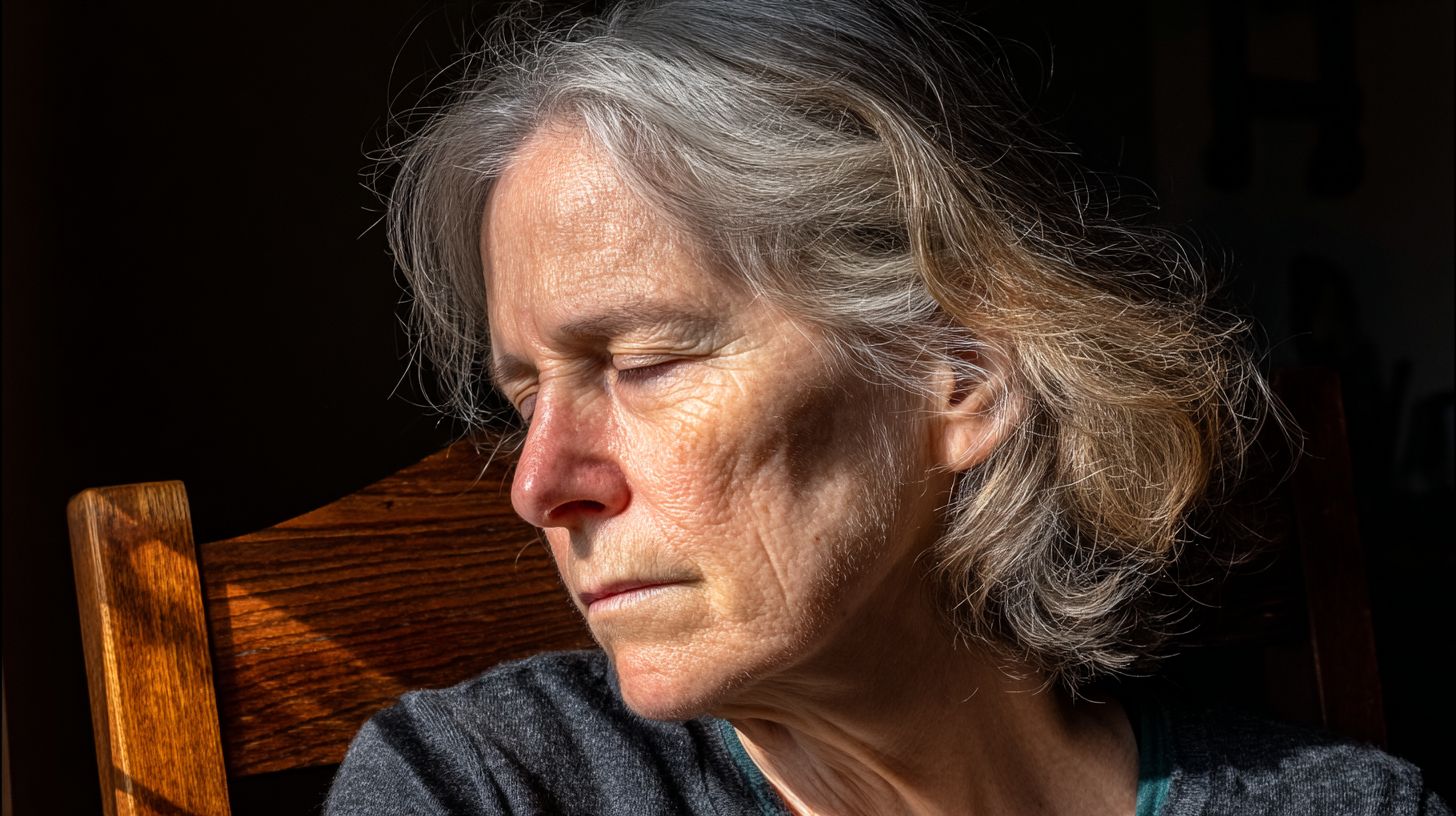
The 2023 NCCIH survey revealed what most of us see in clinic every week-seniors gravitate toward hands-on treatments. Massage therapy led at 34%, acupuncture followed at 23%, and tai chi came in at 19%. The pattern makes sense once you think about it. Don’t forget the medication side effects that some manage for decades.
Insurance rarely covers everything. Medicare pays for certain therapies in 12 states, while private plans flip on a dime. Add fixed incomes and rising healthcare bills and the gap becomes obvious. Know what you’re walking into financially before booking the first appointment.
Some treatments require weekly drives across town. Others fit into a living room after a couple of lessons. People stick with what brings relief fast and doesn’t wreck the rest of their week.
Physical ability decides plenty too. A 75-year-old with bum knees won’t reach for the same option as someone whose back hurts to stand. Their doctor usually has opinions here, and they should.
Acupuncture, Massage, and Yoga for Seniors
Acupuncture holds up under scrutiny. The 2019 JAMA Internal Medicine analysis pulled 39 randomized trials and found 30% reductions in chronic pain that lasted a full year after the final needles. Most seniors need 8-12 weekly sessions. Each one costs $75-150, though Medicare foots the bill in certain states.
Massage therapy works through different channels. A 60-minute Swedish or myofascial session runs $80-120. The 2022 Cochrane review tracked 50% pain drops in some cases when the therapist read tissue response on the fly.
Yoga for older adults rarely looks like the studio class you see advertised. Chair-based sessions twice a week shifted WOMAC osteoarthritis scores by 25%. Mountain pose builds leg strength. Tree pose steadies balance. Seated twists stretch the low back without forcing anyone to the floor.
The adjustments keep things safe. A skilled instructor drops sun salutations and hands out gentle neck rolls instead. The outcome stays similar, just reached through a different route.
Integration with Conventional Healthcare
The Cleveland Clinic Center for Integrative Medicine reported 340% growth in senior referrals from primary care to alternative modalities between 2019-2023, driven by EHR integration of pain management pathways. That kind of jump tells you something’s shifting in how doctors handle older patients with stubborn aches.
Walk into most large health systems now and you’ll find some version of integrative medicine embedded alongside the usual exam rooms. The barriers between conventional and complementary approaches keep thinning out.
Part of this comes down to simple logistics. Electronic records make it easier to track what worked last visit and who referred you there, so the next provider doesn’t start from scratch. A patient seeing their regular doctor can leave with orders for physical therapy and a note suggesting they try acupuncture too.
Still, not every clinic has caught up with these changes. Some places treat any non-drug option like an experiment, while others build it straight into the care plan. The difference often comes down to who runs the department and how much feedback they’ve heard from patients.
Physician Endorsements and Insurance Coverage
Medicare began covering acupuncture for chronic low back pain in 2020, reimbursing up to 20 sessions annually at $74.43 per treatment when performed by licensed practitioners meeting NCCAOM standards. This was the first time the federal program extended benefits to this type of practitioner for pain specifically.
Blue Cross Blue Shield now reimburses massage therapy in nineteen states when ordered by a physician, typically $60 to $90 per session. The coverage usually requires documentation that the treatment addresses documented muscle tension or mobility issues. Aetna runs a yoga therapy pilot program with a $25 copay for eight sessions, focused on patients already taking medication for joint pain or recovering from surgery.
The American College of Physicians guidelines now note that doctors should discuss non-drug options before starting opioids for back pain. Their criteria list several therapies that show reasonable benefit with low risk, including, topical salves, acupuncture, massage, and yoga under the right circumstances.
A study funded by the National Institute on Aging tracked 2,400 seniors in integrated care programs. The group using multidisciplinary approaches saw opioid prescriptions drop by 45 percent compared with standard treatment pathways. That reduction happened without a corresponding increase in reported pain scores.
Accessibility and Affordability Trends
Back in 2018 only about a quarter of senior living communities offered alternative therapies. By last year that share jumped to 67 percent, according to the LeadingAge survey of 1,200 places. Most of those communities now roll yoga and tai chi into their monthly wellness packages for $47-89, and residents can take as many classes as they want.
That price still surprises people who picture anything “alternative” as expensive. The truth runs cheaper in plenty of spots around town.
Local community centers have group classes for $8-15 a pop. You pay at the door, try it once, and move on if it isn’t your thing. Buy a punch card for ten sessions and the cost drops closer to $7 each.
A full-hour massage at home lands between $110 and $160. Line that up against months of pain meds, extra doctor visits, and the slow loss of mobility, though, and the math shifts. Plenty of therapists keep shorter half-hour slots open or slide the rate down for folks on fixed incomes.
Week-long wellness retreats that bundle room, board, and daily treatments run $2,400-4,200. They draw folks who want every therapy lined up back-to-back for a stretch without day-to-day distractions.
Programs such as On Lok PACE cover physical therapy, acupuncture, and massage at no charge to eligible seniors through Medicare. No copays, no claim forms-just show up.
Mather’s More Than a Caf posts a sliding scale of $5-20 based on income so weekly classes stay within reach. Their approach shows good service doesn’t have to mean luxury prices.
Mt. Sinai’s wellness program charges members nothing for tai chi, chair yoga, acupuncture, or meditation. Hospitals are figuring out that prevention beats treating chronic problems after they set in, and the free sessions follow that logic.
Cost rarely keeps people away as much as not being able to get there does. Some centers teamed up with transit agencies for free shuttles on class days. Others line up volunteer drivers or set up group rides among neighbors. A handful even bring the instructor straight to apartment complexes, so residents never have to leave the building.
Technology Enabling Remote and Home-Based Care
CMS made telehealth coverage permanent back in 2021. The numbers followed fast-25.3 million Medicare telehealth visits just for pain management in 2022. Eighty-nine percent of those seniors said they were satisfied with how the visits went. For people who hate getting in a car just to sit in a waiting room, this opened up treatment in a way nothing else had.
Reimbursement changes knocked down the old walls. More doctors now take Medicare for a simple video call. Five years ago most patients wouldn’t have expected this to matter so much, but here we are.
Wellness folks adapted fast. Yoga teachers, meditation guides, even pain education classes are all on video. Seniors log on from the living room couch-no travel, no parking, no hassle.
Technology isn’t just copying in-person visits, though. It keeps track of symptoms day to day, spots patterns in when pain shows up, and shows which tricks actually help. Everything lives in one spot instead of scattered notes at the bottom of a drawer.
Telehealth and Wearable Pain-Management Devices
The Quell wearable neurostimulator runs $249 for the unit plus $79 a month for pads. An NIH-funded study looked at 180 seniors with knee osteoarthritis and found 60 percent reported less pain after three months of daily 60-minute sessions. The small device sits below the knee and delivers TENS therapy. Medicare won’t pay for it, so it’s out-of-pocket.
Setup takes roughly fifteen minutes. Charge it, stick the pad on your leg, sync it with the phone app, and you’re done. Once it’s programmed, it runs on its own. A lot of people just keep it on while they move around.
Insight Timer has free guided meditations aimed at chronic pain. Over 50,000 seniors have already tried them. Open the app, type “pain relief,” pick a session anywhere from five to thirty minutes. That’s it.
Biofeedback units cost $150 to $300. They train you to steady your heart rate and loosen tight muscles. You clip sensors on your fingers or forehead, sit for twenty minutes twice a day, and watch the numbers change. Medicare almost never covers these either.
Doxy.me and similar platforms run $50-75 per consult. Medicare pays for these when you’re an established patient. All you need is a phone or tablet, decent internet, and the app. A lot of doctors now schedule follow-ups this way.
One man in Florida used telehealth physical therapy after knee replacement, paired with his TENS unit. Instead of three clinic trips a month, he switched to one video call and daily use of his device. His therapist tweaked the exercises on the spot during the call. Pain dropped enough that he dropped the third in-person visit, saved on gas, and stayed on track.
Success Stories and Community Impact
The Village at Penn State started something different in 2021. They took 156 residents and put them on a schedule of tai chi, massage, and basic mindfulness practice. After 18 months, the staff stopped reaching for the PRN pain pills nearly as often-42% fewer doses across the board.
Residents were already keeping daily pain logs on a 10-point scale. Before the program, the average sat at 6.8. It slid down to 3.2. On the financial side, the facility saved $23,000 a year just in medication costs. What the numbers don’t show is the day-to-day difference: residents getting up without grabbing the furniture, actually making it to dinner on time, joining activities they used to skip.
Out in San Francisco, On Lok PACE went another direction with their 200 participants. They folded acupuncture, gentle yoga, and regular massage straight into the care plan-no extra appointments, no scheduling headaches. People started sleeping through the night. Joints loosened up. Over two years, pain-related ER trips dropped by almost a third.
AARP tried something bigger. Their Path to Pain Relief pilot reached 3,200 people across several states with chair exercises, heat packs, and straightforward meditation. Most of them walked in rating their pain at 7 or worse. Six months later, 67% moved better, and the average score was sitting at 4.2. A lot of them mentioned small things-finally finishing a full afternoon in the garden, getting on the floor to play with grandkids without having to stand back up every few minutes.
Each program tracked what the spending actually bought. For every dollar put into these activities, facilities saw about $3.20 come back through lower medication costs, fewer hospital runs, and less staff time spent on pain flare-ups. The real saving was keeping people moving instead of cycling through crisis after crisis.
Barriers Remaining and Future Outlook
Even after the Medicare expansions from 2020-2024, only 12 states reimburse acupuncture for Medicare Advantage plans. That leaves 27 million seniors stuck paying full price for treatments most doctors already trust.
Practitioner shortages don’t help. Some regions are looking at 3.2-year waits just to see a pain psychologist, so people end up with whatever’s nearby or whatever they can access on a screen. The numbers simply haven’t caught up.
Cost follows close behind. Seniors can easily spend around $2,400 out of pocket each year for services that aren’t covered, and on fixed incomes that money has to come from somewhere-usually groceries or rent. Every year, the same calculation.
Then there’s figuring out what’s real. Many older adults struggle to tell whether a practitioner or offering has real backing behind it, so even when something is available, they hesitate.
Telehealth might shift some of this. If video visits for pain psychology expand the way projections suggest, rural seniors won’t have to drive hours to see a specialist. Broader Medicare acupuncture coverage, maybe by 2026, depends on how well the current pilots hold up.
Policy needs to target the actual gaps. Nationwide Medicare Advantage acupuncture coverage would cut the biggest out-of-pocket hit. Training grants for pain psychologists in short-staffed areas would start pulling down those wait times. Pay parity for telehealth visits would keep providers offering the service. And better consumer tools from state health departments would help people sort out which options actually have evidence behind them.
- Staying Comfortable While Traveling: Small Daily Habits That Make a Big Difference
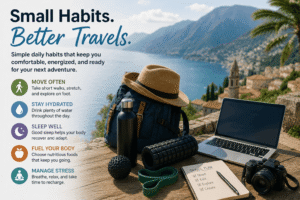
Whether you’re a travel blogger, photographer, digital nomad, or content creator constantly moving between destinations, travel can be physically demanding. Long flights, hours behind the wheel, heavy camera gear, and constantly working from laptops can all take a toll on your body.
While many travelers focus on finding the perfect destination, it’s just as important to take care of yourself along the journey. Building a few simple daily habits can help you stay energized, comfortable, and ready to create wherever your travels take you.
Move Whenever You Can
Travel often involves extended periods of sitting.
Whether you’re on an airplane, train, or road trip, staying in one position for hours can lead to stiff muscles and reduced mobility.
Whenever possible:
- Walk through the airport before boarding.
- Stretch during rest stops.
- Take the stairs instead of elevators.
- Explore new cities on foot.
Even five or ten minutes of movement several times a day can make a noticeable difference.
Pack for Recovery
Experienced travelers know that recovery items deserve space in every suitcase.
Useful travel companions include:
- Foam massage balls
- Resistance bands
- Reusable water bottle
- Compression socks
- Neck pillow
- Lightweight massage tools
These simple items can help reduce muscle tension after long travel days.
Prioritize Quality Sleep
Different time zones, unfamiliar hotel rooms, and busy schedules can easily disrupt sleep.
Creating a simple nighttime routine—such as limiting screen time, keeping your room cool, and maintaining a consistent bedtime whenever possible—can help your body recover more effectively while traveling.
Better sleep often leads to more energy, sharper focus, and a more enjoyable travel experience.
Stay Hydrated
Travelers often underestimate how dehydrating flights and long days of sightseeing can be.
Keeping a refillable water bottle nearby and drinking water consistently throughout the day can help support energy levels and overall physical comfort.
Pairing proper hydration with balanced meals also helps your body recover after busy days exploring new places.
Small Habits Create Better Trips
The most enjoyable adventures aren’t always about doing more—they’re often about feeling your best while you’re doing it.
Simple habits like stretching each morning, taking short walking breaks, getting enough sleep, and managing stress can make travel far more enjoyable over the long term.
If you’re looking for practical ideas that go beyond travel alone, this guide on <a href=”https://trans4mind.com/counterpoint/index-health-fitness/small-daily-habits-matter-more-than-quick-fixes.html”>small daily habits for long-term physical comfort</a> offers helpful insights into building sustainable wellness routines that fit naturally into everyday life.
Travel Well, Create Better
Content creation can be demanding, but taking care of your body doesn’t have to be complicated.
A few consistent habits practiced every day can help you stay comfortable whether you’re photographing mountain landscapes, filming city streets, working from a beachside café, or editing videos from a hotel room.
The best travel memories are easier to create when you have the energy and mobility to fully enjoy every destination.
- How to Ease Everyday Aches and Pains While Traveling
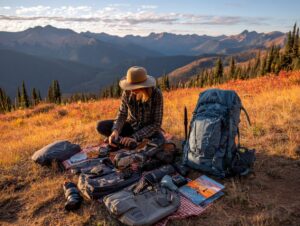
Whether you’re taking a weekend road trip, flying across the country, or exploring a new city on foot, travel can take a surprising toll on your body. Long periods of sitting, carrying heavy luggage, unfamiliar beds, and busy sightseeing schedules often lead to stiff muscles and sore joints.
Fortunately, a little preparation can help you stay comfortable so you can focus on enjoying your trip instead of recovering from it.
Keep Your Body Moving
One of the biggest reasons people develop aches while traveling is staying in the same position for too long.
If you’re driving, try to stop every hour or two to stretch your legs and take a short walk. On airplanes or trains, stand up whenever it’s safe and walk the aisle for a few minutes. Even simple ankle circles, shoulder rolls, and gentle neck stretches can improve circulation and reduce stiffness.
Pack Smarter
Heavy luggage can place unnecessary strain on your back, shoulders, and knees.
Whenever possible, use rolling luggage instead of carrying heavy bags. When lifting a suitcase into a car trunk or overhead compartment, bend your knees, keep the bag close to your body, and avoid twisting while lifting. These small adjustments can help reduce the risk of muscle strain.
Support Your Back
Hours spent sitting in a car or airplane seat can leave your lower back feeling tight.
A small travel pillow, rolled-up towel, or even a sweatshirt placed behind your lower back can help maintain your spine’s natural curve. Good lumbar support often makes long trips much more comfortable.
Stay Hydrated
Many travelers don’t realize that dehydration can contribute to muscle cramps and fatigue.
Drinking water regularly—especially during air travel where cabin air is very dry—helps support normal muscle function. Limiting excessive caffeine and alcohol may also help reduce dehydration during long trips.
Stretch Before Bed
After spending the day walking through airports, sightseeing, or sitting in meetings, your muscles deserve a few minutes of recovery.
Gentle stretches for your hips, hamstrings, calves, shoulders, and lower back before bedtime can reduce tension and help you wake up feeling refreshed instead of stiff.
Choose Comfortable Footwear
Vacation often means walking far more than usual. Supportive shoes with adequate cushioning can help reduce stress on your feet, knees, hips, and lower back.
If you know you’ll be on your feet all day, pack shoes designed for comfort rather than style alone.
Don’t Ignore Minor Discomfort
Small aches have a way of becoming bigger problems if they’re ignored.
Applying heat after a long day, taking short walking breaks, stretching regularly, and listening to your body’s signals can often prevent minor soreness from turning into lingering pain.
If you’re looking for additional practical ideas for managing everyday discomfort, this guide on Simple Ways to Ease Everyday Aches and Pains offers several helpful strategies for staying comfortable at home or while traveling:
Enjoy the Journey
Travel should leave you with great memories—not sore muscles and stiff joints. By moving regularly, packing wisely, supporting your posture, staying hydrated, and making time for gentle stretching, you can reduce many of the aches that commonly accompany long trips.
A few simple habits before and during your travels can make all the difference, helping you arrive home feeling energized and ready for your next adventure instead of needing a vacation from your vacation.
- UB Guest Creator Spotlight: How Tess Turned Mid-Life Confidence Into Travel-Driven Content
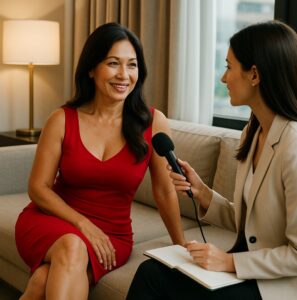
When most people think of content creators traveling the world, they imagine 22-year-olds with backpacks, ring lights, and brand deals. But sometimes inspiration arrives later in life—in a completely different chapter.
Meet Tess, age 47, a Filipina creator who blends confidence, elegance, and travel storytelling into content that resonates with women in their 30s, 40s, and 50s. Today she joins UB Guest to talk location-based creativity, planning shoots abroad, and how travel changed her platform forever.
Q: Tess, you started posting online in your mid-40s. What was the first trip where you said, “This could be content”?
Tess:
Last year I went to Thailand for a family wedding. I wasn’t planning to shoot anything serious. I packed simple dresses, nothing special. One morning I took a photo on the balcony—the light was unreal. I posted it casually, and people said, “Where is this? I want that view.”That was it.
It taught me something important:
Sometimes you don’t need elaborate sets or big productions—just the right sunlight and the right place.
Q: How has travel changed your approach to content?
Tess:
Travel forces creativity.
At home you repeat everything: hallway mirror photos, same couch, same window light.When you travel, the setting does the work.
A beachfront villa?
Instant luxury vibe.A city café with warm lighting?
Instant editorial vibe.Travel makes you see yourself differently. The environment shapes the energy.
Q: Favorite cities you’ve shot in?
Tess:
▶ Bali — best outdoor lighting, especially sunrise
▶ Singapore — architecture pops so well in photos
▶ Cebu — textures, warmth, and culture
▶ Kuala Lumpur — high balconies and skyline vibesBut my most unexpected favorite was Seoul.
Side streets and cafés there feel like full-scale film sets.
Q: How do you plan shoots when you’re traveling?
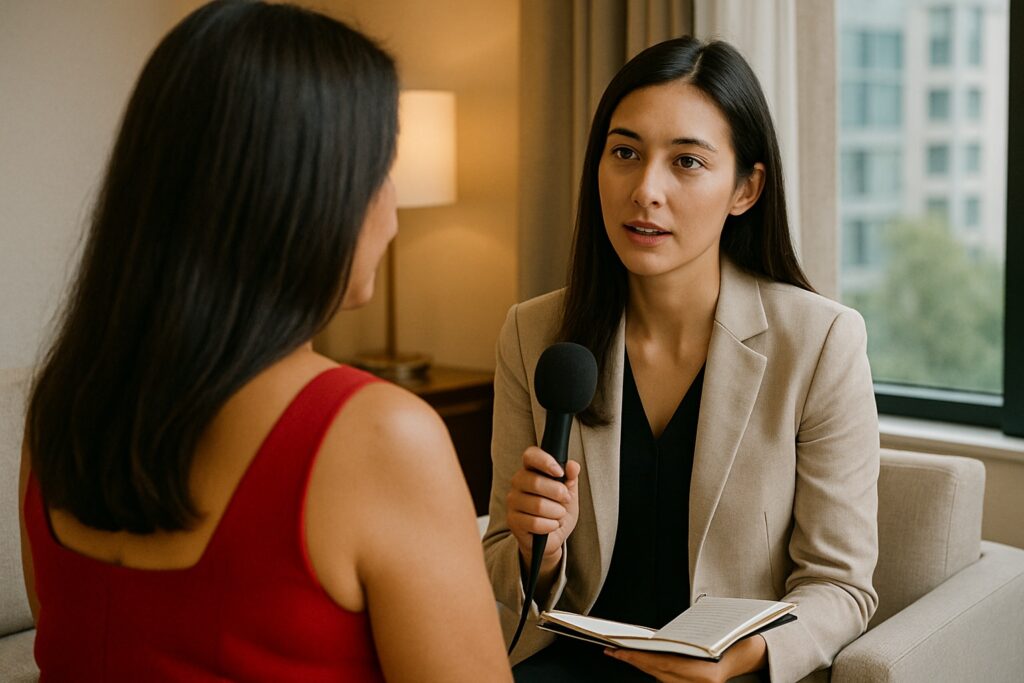
Tess:
I do everything in small batches. My routine:- Choose three outfits
- Pick two locations
- Shoot 20 minutes at a time
If I get something great, I move on.
The secret is not over-planning.
I believe content should be part of the experience—not the entire experience.
Q: What advice do you have for creators who think they need ideal bodies or expensive gear before they travel to shoot?
Tess:
Nothing about travel photography is about perfection. It’s about presence.You don’t need to erase your age or your shape. The camera already knows your story.
Bring good lighting, a simple dress that fits you well, and a location that inspires you.
If you feel good, it shows.
Q: Has travel improved your confidence?
Tess:
Absolutely.When you’re 45+, you’re not shooting to impress strangers. You’re recording memories that belong to you.
Travel makes you visible again.
Every woman needs a trip that reminds her who she was before responsibilities took everything.
Q: Is there a creator destination you want to explore next?
Tess:
Mongolia.
I never imagined it before, but the mix of nature, culture, and modern spaces sounds magical.Wide landscapes, dramatic skies, minimal styling—very cinematic.
That’s a shoot waiting to happen.
Where to See Creators Like Tess
Most people don’t realize that many late-start Filipina creators find their audience through curated features and discovery platforms.
To explore the types of creators Tess represents—women who balance life, confidence, style, and storytelling—visit:
Here you’ll find Filipina creators who blend lifestyle, travel, and personality-driven content, many of whom began later in life.
Final Takeaway
Some creators start young.
Some start when the world finally slows down enough for them to choose themselves.Tess is proof that:
✨ Confidence can peak at 47
✨ Travel can be the best creative reset
✨ Your next chapter might be your most beautiful oneStay tuned for more spotlights here on UB Guest—where travel meets creativity, and where every journey becomes content worth sharing.
Whether you’re a solo traveler, a professional model, or a creator just starting your journey, UB Guest gives you the resources, inspiration, and insider tips you need to make every trip unforgettable — and every shot worth sharing.
UB Guest is your guide to travel, lifestyle, and creative adventures. Originally built for backpackers, we’ve evolved into a hub for creators who work and play around the globe.