
Ready to capture the magic of the night sky? The world’s cities transform after sunset, revealing stunning scenes of urban landscapes just waiting for your camera lens. From Tokyo’s neon-lit streets to Paris’s romantic illuminations, each city offers unique photo opportunities for night photography. In this guide, we’ll explore the best cities for snapping those breathtaking night shots in 2025, including top photography hotspots, and share essential tips to elevate your photography game. So, grab your gear and let’s dive into this nighttime adventure!
Tokyo, Japan

Imagine a city where neon lights harmoniously coexist with traditional temples; this is Tokyo. To effectively capture the vibrant street scenes of Tokyo at night, begin by setting your camera to manual mode and experimenting with different aperture settings.
Utilizing a wide aperture, ideally between f/1.8 and f/2.8, will create a pleasing soft background while allowing ample light to enter the lens and enhance the depth of field. It is advisable to set your ISO between 400 and 800 for optimal exposure, adjusting it as necessary based on the lighting conditions you encounter.
To prevent motion blur, aim for a shutter speed of 1/60th of a second; however, feel free to adjust this speed up or down depending on the brightness of the scene and the desired light trails.
For longer exposures, particularly when photographing iconic landmarks like Senso-ji Temple against the backdrop of the illuminated skyline, using a tripod can be quite beneficial for capturing sharp and clear images.
What makes Tokyo a top choice for night photography?
Have you ever considered why Tokyo is often described as a photographer’s paradise at night for capturing stunning city lights and vibrant nightlife? The city’s vibrant neon lights and lively streets provide remarkable opportunities for breathtaking urban photography.
While navigating through the crowds can be a bit challenging, there are effective strategies to enhance your experience.
- One approach is to visit popular locations like Shibuya Crossing during off-peak hours, allowing for more unobstructed shots.
- Additionally, using a tripod can help stabilize your camera, enabling you to capture long exposure images that showcase the beautiful light trails created by passing vehicles.
- Post-production tools such as Adobe Lightroom can further enhance your night shots, bringing out the vivid colors and details.
Moreover, consider joining local photography meetups or photography communities. These gatherings can offer invaluable insights from experienced photographers, including tips on hidden gems and best practices in this dynamic metropolis.
Which locations in Tokyo are best for capturing night scenes?
Tokyo is filled with countless photo opportunities, ranging from the bustling Shibuya Crossing to its tranquil gardens and unique city architecture. If you’re interested in night photography, three top locations to consider are Shibuya Crossing, Tokyo Tower, and Odaiba.
-
Shibuya Crossing is a hive of activity, perfectly embodying the city’s vibrant energy and iconic buildings, though it’s important to be prepared for large crowds.
-
On the other hand, Tokyo Tower offers breathtaking views of the city, beautifully illuminated at night, although the access fee might be a concern for those on a budget.
-
Meanwhile, Odaiba impresses with its futuristic skyline and picturesque waterfront, delivering stunning reflections in the evening light, though it may require some extra travel time.
Each of these locations offers a distinct experience, allowing photographers to capture the essence of Tokyo’s nightlife from various angles.
Paris, France
The sight of Paris illuminated at night represents a dream come true for any photographer, offering breathtaking skyline views and historical sites. However, many individuals often make common mistakes that can hinder their shots.
One prevalent error is underexposing images, which results in a loss of detail in the shadows; utilizing a longer exposure time can help rectify this issue.
Another common challenge is neglecting to stabilize the camera. Handheld images can appear blurred, making the use of a tripod essential for achieving sharp results.
Additionally, failing to adjust the white balance may lead to unwanted color casts, so manually setting it can result in more accurate hues, enhancing the overall visual aesthetics.
Moreover, forgetting to scout locations beforehand can mean missing out on some incredible opportunities, particularly with iconic backdrops such as the Eiffel Tower or Montmartre.
How does the Eiffel Tower enhance night photography?
The Eiffel Tower, with its sparkling lights and iconic silhouette, brings a touch of magic to night photography and creates fantastic light trails. To capture stunning images at night, it’s essential to begin by using a tripod to ensure your camera remains stable during longer exposure times and to enhance the color contrast.
Setting your camera to a low ISO (between 100 and 200) will help minimize noise, while a wide aperture (f/2.8 or lower) allows more light to enter the lens. It’s beneficial to experiment with shutter speeds ranging from 5 to 15 seconds to strike the ideal balance-this technique captures the light trails from passing cars while keeping the Eiffel Tower sharp and clear.
For post-processing, using applications like Lightroom can significantly enhance the colors and reduce noise, helping your final image to reflect the enchanting atmosphere of the scene and achieve professional photographers’ quality.
What are the hidden gems for night shots in Paris?
Beyond the well-trodden paths, there are stunning locations and hidden gems that many photographers often overlook. One such photographer, Mark, decided to explore the lesser-known alleys of Montmartre on a chilly evening, armed with his Canon EOS R. His goal was to capture the raw essence of Paris during twilight.
To ensure stability in his shots, Mark used a tripod and experimented with long exposures to highlight the flowing light of passing streetcars set against the backdrop of historic buildings. He also utilized applications like PhotoPills to calculate the golden hour and identify the ideal angles for his compositions.
This thoughtful combination of patience and technology enabled him to uncover breathtaking scenes, transforming ordinary streets into enchanting nightscapes.
New York City, USA
New York City comes alive after dark, presenting an exhilarating opportunity for night photography and capturing the vibrant nightlife. To effectively capture the city’s vibrant energy at night, it is advisable to use a DSLR or mirrorless camera equipped with a fast lens, ideally one with a maximum aperture of f/2.8 or wider to allow more light in and achieve optimal low-light photography.
Setting your ISO between 800 and 1600 can help minimize excessive noise in your images, while utilizing a sturdy tripod will provide the stability needed for clear shots.
For exposure, aim for shutter speeds of 1/30 second or slower to convey movement, which will add a dynamic quality to your photographs. Additionally, consider experimenting with long exposures to create stunning light trails, particularly in high-traffic areas like Times Square, where the vibrant lights create a truly captivating scene and enhance your photographic styles.
What iconic landmarks should photographers focus on at night?
As the sun sets, the city’s renowned landmarks are transformed into stunning visual masterpieces. To capture the enchanting essence of New York City at night, here are five straightforward night photography tips to consider:
- First, utilize a tripod to prevent any camera shake and ensure your images are sharp and clear.
- Second, experiment with longer exposure times, around 5 to 10 seconds, to create a smooth effect with moving elements like water or traffic.
- Third, think about using a remote shutter or timer to eliminate any vibrations that may occur when pressing the shutter button.
- Fourth, take advantage of the city’s radiant glow by adjusting your ISO settings to higher values (between 800 and 1600), which will be beneficial in low-light conditions.
- Finally, remember to frame your shots creatively by incorporating foreground elements that can add depth to your photos.
How does the city’s energy contribute to night photography?
The distinctive energy of New York City at night presents both challenges and inspirations for photographers, perfect for urban exploration. Many people hold the belief that photographing urban nights is unsafe due to concerns about crime or that one must invest in expensive photographic equipment.
In reality, safety often depends on careful planning; it is advisable to stick to well-lit and populated areas, such as Times Square, which also offer a variety of subjects to capture.
Regarding equipment, a DSLR is not a necessity. Smartphones equipped with features like Nightscape or third-party apps such as NightCap can deliver impressive results without requiring a significant financial investment.
For example, capturing vibrant street scenes with a smartphone can result in stunning images, particularly when employing long exposure settings to create beautiful light trails and share on social media.
Barcelona, Spain
Barcelona’s unique blend of modern and historical architecture offers remarkable opportunities for night photography, including capturing cultural landmarks and local attractions. To improve your night photography skills in the city, you might want to explore resources such as the `Barcelona Night Photography’ blog, which provides valuable tips for capturing the captivating lights of the city.
For hands-on experience, consider participating in workshops conducted by local experts like the `Shutterbug Club,’ which specializes in night photography techniques and offers beginner tips. Additionally, utilizing apps like `NightCap Camera,’ renowned for its long exposure capabilities, can allow you to experiment with various settings and improve your smartphone photography.
By combining these resources, you can create a comprehensive learning experience that enhances your photography opportunities in this vibrant city and captures its diverse cultural landscape.
What unique architectural features are ideal for night photography?
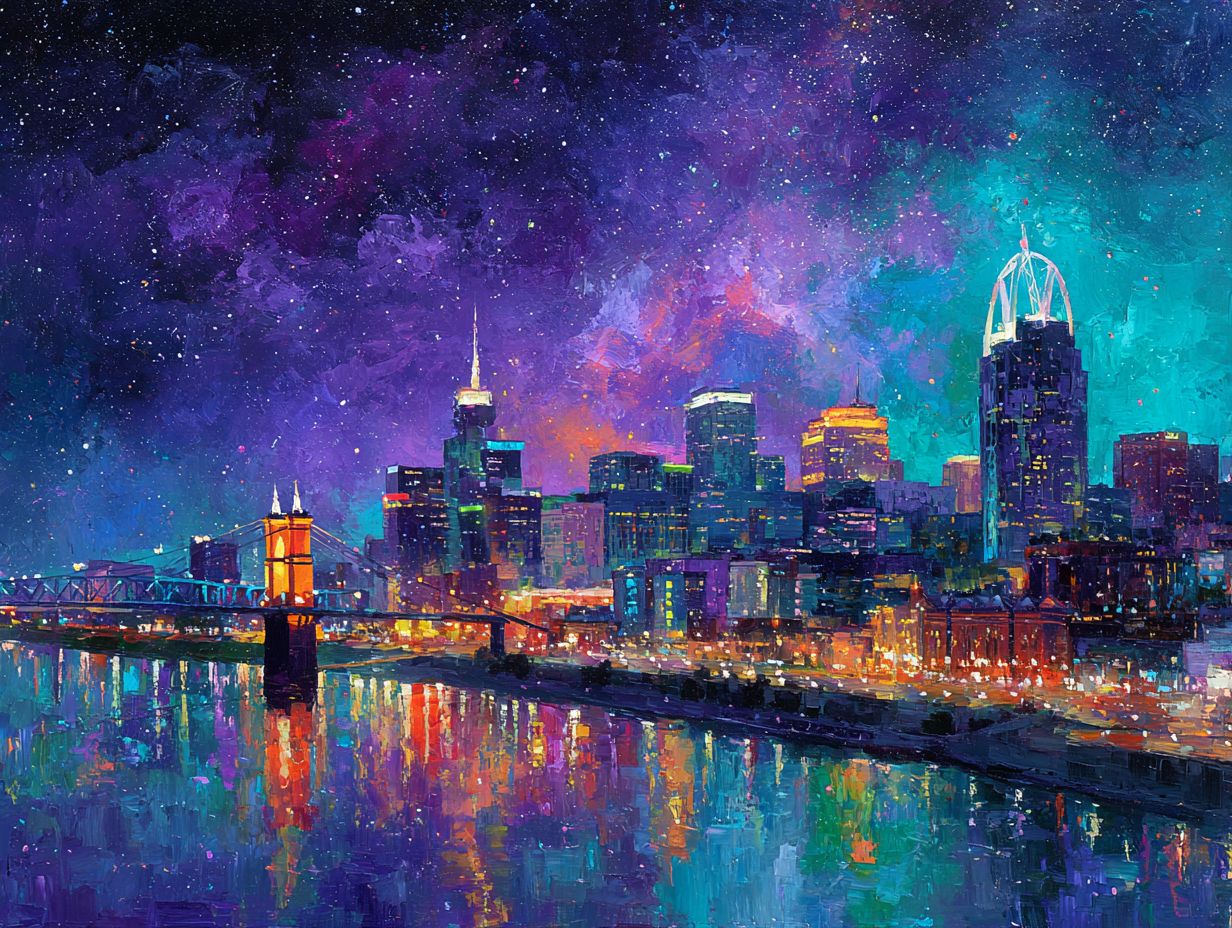
The architectural photography opportunities in Barcelona are truly breathtaking when illuminated by the night sky, making it a top travel destination for photography enthusiasts. To effectively capture these stunning features, it is essential to consider both your skill level and the equipment you have at your disposal.
For beginners, focusing on the iconic Sagrada Familia is a great starting point. Using a smartphone or a basic DSLR with appropriate camera settings in well-lit conditions can yield impressive results.
Intermediate photographers may want to explore Park Gell, where utilizing a tripod can enhance long exposure shots of the vibrant mosaics, allowing for greater creativity and detail.
For those at an advanced level, the intricacies of Casa Batll present a rewarding challenge. Employing wide-angle lenses and external lighting can help to accentuate its unique shapes and forms.
Additionally, equipping oneself with editing software like Lightroom can be invaluable in refining night shots, ensuring that the essence of these architectural masterpieces is beautifully captured.
Which neighborhoods offer the best night views for travel photography?
Exploring the neighborhoods of Barcelona unveils a range of stunning night views just waiting to be captured. From the charming cobblestone streets of the Gothic Quarter to the vibrant atmosphere of El Raval, each area presents unique photographic opportunities.
Consider starting your journey at Plaa Reial, where the combination of street photography opportunities with performers and illuminated palm trees creates a lively ambiance. As you wander through the city, you might find it beneficial to use tools like the Graffiti App to uncover hidden street art, particularly in the Grcia district.
To truly capture the essence of the city, a DSLR or mirrorless camera is ideal. Make sure to adjust your settings for low-light conditions, and don’t forget to bring a tripod for longer exposure shots-this will allow you to beautifully document the nightlife of Barcelona.
Sydney, Australia
Sydney’s skyline is indeed iconic, but it truly transforms into something special after dark. Capturing the Sydney Opera House at night presents its own unique set of challenges, particularly with regard to lighting and exposure.
It is advisable to begin by using a tripod to ensure stability, as this will help prevent blurriness caused by long exposure times, especially beneficial for creative photography practices.
Utilizing a wide-angle lens, such as a 16-35mm, will enable you to encompass the entire structure along with its stunning reflective waters. Setting your camera to a low ISO (between 100 and 200) will enhance clarity, while a shutter speed of approximately 10 to 15 seconds will adequately illuminate the scene.
Don’t hesitate to experiment with HDR techniques to achieve a balance between the bright lights and darker surroundings. Additionally, scouting your location during the day can be incredibly beneficial in identifying optimal angles and compositions for your nighttime photography.
How does the Sydney Opera House look at night?
The Opera House transforms into a captivating light display that truly delights photographers. To capture stunning long exposure shots, it is essential to begin with a sturdy tripod to prevent blurriness, particularly in low-light conditions.
Setting your camera to manual mode is advisable, selecting a slow shutter speed typically ranging from 10 to 30 seconds. For striking water reflections, consider shooting during the blue hour, which occurs just after sunset.
Incorporating a neutral density (ND) filter can help reduce light and extend exposure time further, allowing for beautifully exposed images without the risk of overexposure. It is also beneficial to experiment with various angles around the steps and waterfront to discover the most dynamic compositions that showcase both the building and its vibrant surroundings.
What natural landscapes can be captured after dark?
Beyond the vibrant city lights, Sydney showcases natural landscapes that reveal their own unique beauty at night. To effectively capture Sydney’s coastal scenery after dark, it’s advisable to use a sturdy tripod and a camera that allows for manual settings.
For optimal results, consider utilizing a DSLR or mirrorless camera paired with a wide-angle lens, such as a 16-35mm. Setting your aperture around f/8 will help ensure a good depth of field. Additionally, you might want to experiment with longer exposures-30 seconds or more-to capture light trails and enhance the details of the night sky.
To assist in planning your shots, apps like PhotoPills or The Photographer’s Ephemeris can be incredibly useful. They allow you to align your photography sessions with moon phases and tidal changes, leading to more effective compositions.
Dubai, UAE
In Dubai, the night comes alive with innovative architecture and dazzling lights, creating a mesmerizing cityscape. However, many photographers tend to make common mistakes when attempting to capture this vibrant scene.
- First, failing to use a tripod can lead to blurry images due to long exposure times. A sturdy tripod is essential for ensuring stability and clarity in your shots.
- Second, neglecting to adjust exposure settings may result in overexposed highlights. It is advisable to use manual mode to achieve a well-balanced photograph.
- Additionally, ignoring foreground elements can make your photos feel flat and lacking in depth. Incorporating local landmarks in the foreground can add significant interest to your images.
- Lastly, utilizing post-editing tools like Lightroom can greatly enhance the quality of your night photos.
Taking these considerations into account will help you capture the true essence of Dubai after dark.
What modern structures are perfect for night photography and urban planning insights?
The modern structures in this city, such as the Burj Khalifa and the Dubai Mall, present endless opportunities for photography. Three exceptional locations for night photography in Dubai include the Burj Khalifa, the Dubai Marina, and the Louvre Abu Dhabi.
The Burj Khalifa, recognized as the tallest building in the world, displays a stunning array of lights that contrast beautifully with the night sky. The Dubai Marina, adorned with illuminated yachts and towering skyscrapers, creates vibrant reflections on the water, making it ideal for long exposure photography.
Meanwhile, the Louvre Abu Dhabi features an impressive dome that casts intricate patterns of light onto the ground, providing a unique backdrop for artistic captures.
For the best results, timing your visit during the blue hour significantly enhances the photographic appeal at each of these remarkable sites.
How does the city’s skyline change after sunset?
At sunset, the skyline of Dubai undergoes a remarkable transformation, presenting a breathtaking view that invites photographers to take notice. To effectively capture this stunning change, a photographer could begin by scouting various vantage points, such as the observation deck of the Burj Khalifa, which offers a sweeping perspective of the city.
Utilizing a tripod and adjusting the camera to a slow shutter speed can enhance the light trails created by traffic, as well as highlight the shimmering skyline, illustrating principles of image composition and exposure triangle mastery. Additionally, employing a wide-angle lens can provide a broader view of the scene.
For optimal results, the photographer may choose to shoot in RAW format, which allows for greater flexibility during post-processing. These techniques not only enhance the details but also contribute to a vibrant, dynamic composition that beautifully showcases the allure of Dubai at night.
Istanbul, Turkey
Istanbul’s rich history and vibrant culture truly come alive under the night sky. To discover the perfect historical sites for night photography, it is important to consider your personal interests.
If you have a penchant for architectural details, you should focus on the Hagia Sophia and the Blue Mosque; both are beautifully illuminated and provide unique perspectives.
For those who appreciate charming streetscapes, the area around the Galata Tower is worth exploring, as its panoramic views are particularly stunning after dark. If urban life combined with historical elements is more to your liking, Taksim Square, with its lively atmosphere, offers captivating contrasts that can enhance your photographs.
By evaluating these options in light of your preferences, you can significantly enrich your photographic experience in this enchanting city.
What historical sites are stunning at night?
Istanbul, with its structures that date back centuries, provides a captivating backdrop for night photography. Photographers should consider capturing these top five historical sites after dark:
- Hagia Sophia – The illuminated dome creates stunning contrasts, beautifully showcasing Byzantine architecture.
- Blue Mosque – The mosque’s blue tiles shine elegantly under the night lights, offering breathtaking shots from various angles.
- Topkapi Palace – The gardens and the building glow softly, presenting unique perspectives on Ottoman design.
- Galata Tower – This site offers an excellent panoramic view of the city, particularly with the Bosphorus sparkling below.
- Basilica Cistern – The gentle lighting enhances the atmosphere, making it ideal for capturing moody images of this ancient underground facility.
Each of these sites provides unique photographic opportunities that highlight Istanbul’s rich history, cultural diversity, and vibrant nightlife, ideal for creating engaging travel blogs or social media sharing.
How does the Bosphorus Strait enhance night photography?
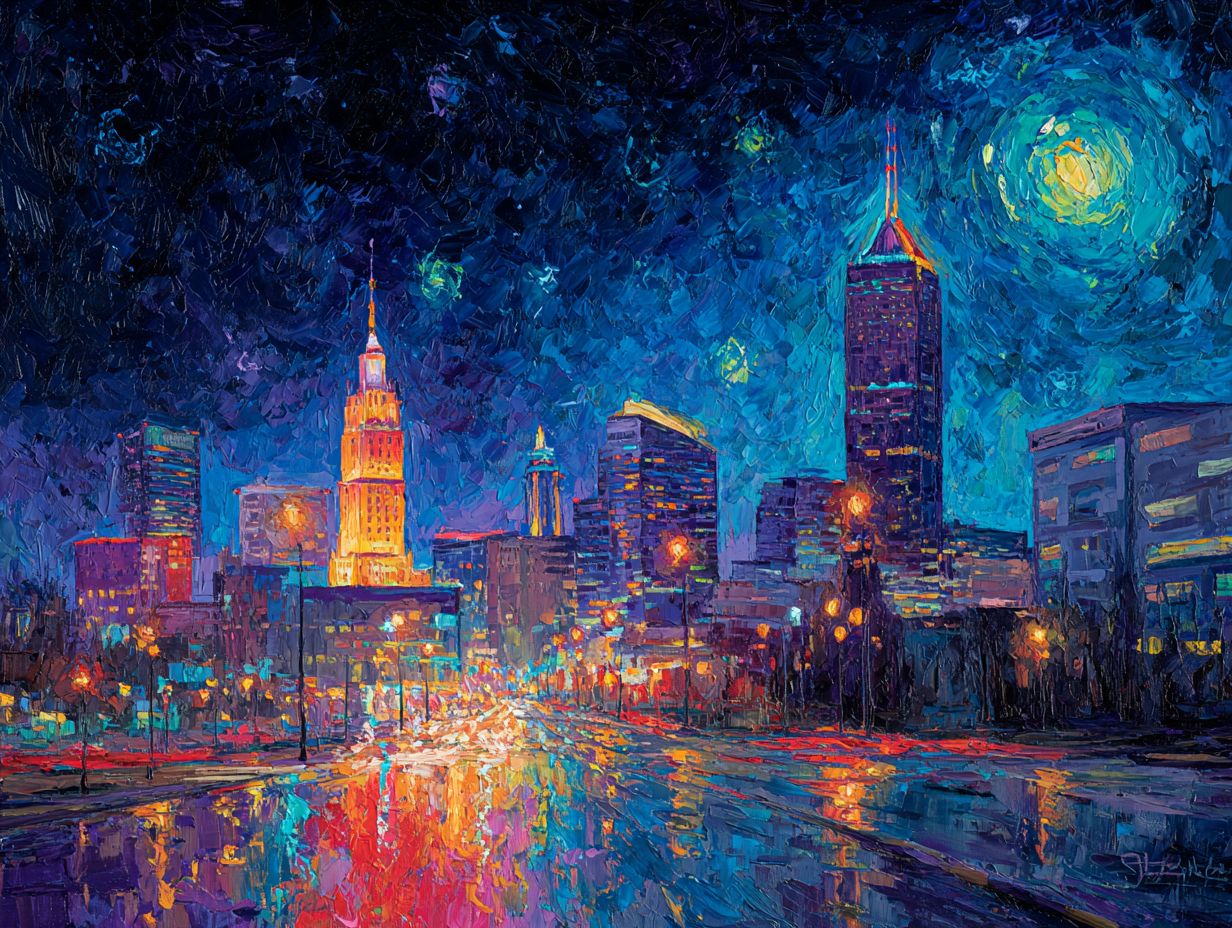
The shimmering waters of the Bosphorus Strait offer captivating opportunities for night photography and travel destinations. Photographers often advise using a tripod for added stability, which allows for longer exposures that beautifully capture the city lights reflecting on the water. It’s one of the best times to shoot night scenes.
To achieve that enchanting bokeh effect, particularly against the gentle glow of the cityscape, employing a wide aperture setting is highly effective, and lens choices like f/1.8 can enhance your results. Additionally, utilizing apps such as PhotoPills can greatly assist in planning your shoot, especially when it comes to pinpointing the ideal moments for golden and blue hour photography. Photography gear is crucial for capturing these moments.
Exploring locations like Ortaky Mosque or the Galata Bridge can provide a variety of compositions, seamlessly blending architectural elegance with the vibrant nightlife of Istanbul. Scenic views offer creative angles for photographers.
San Francisco, USA
Photography workshops are available to help you enhance your skills.
San Francisco’s iconic fog and stunning landmarks create a captivating atmosphere perfect for night photography and seasonal events. To effectively capture the enchanting interplay between the fog and the city lights, photographers often recommend using a tripod for stability, as longer exposures are essential for visual storytelling.
Additionally, experimenting with a wide aperture, such as f/2.8, can enhance the ethereal quality of the fog while allowing more light to reach the camera sensor. Festivals can add to the photogenic ambiance.
Utilizing a remote shutter release or a timer can further help prevent any camera shake.
Popular locations for capturing these scenes include the Golden Gate Bridge and Fisherman’s Wharf, where the fog adds an intriguing depth to the composition. Art installations and local cuisine around these areas enhance the experience.
It is also important to adjust your white balance settings to achieve the desired mood, allowing for either warmer or cooler tones in your photographs. Weather conditions play a significant role in the overall effect.
What are the best spots for capturing the Golden Gate Bridge at night?
The Golden Gate Bridge illuminates the bay, creating remarkable opportunities for photography and visual storytelling. If you wish to capture stunning night shots of the bridge, consider visiting these ideal locations:
- First, the Battery Spencer viewpoint offers a classic angle of the bridge set against the city skyline, particularly enchanting during sunset. It’s an excellent spot for urban wildlife photography.
- Second, Fort Point provides a unique perspective from below, allowing you to photograph the impressive structure of the bridge as it shines at night. Creating your own online portfolios to showcase such moments can be beneficial.
- Crissy Field presents a sweeping view of the bridge with the bay in the foreground; it’s advisable to arrive early to secure a prime spot. Photography challenges can make your shoot more exciting.
To enhance your photography, using a tripod will ensure stability, and experimenting with longer exposure settings can help you achieve that magical glow.
How does fog impact night photography in San Francisco?
Fog can serve as both a photographer’s ally and adversary, particularly in a city such as San Francisco, a hub for city tourism. To achieve stunning night images in foggy conditions, it is advisable to use a wide aperture lens, like a 24mm f/1.4, which allows more light to enter the camera. Advanced techniques like this can greatly improve your results.
Setting your camera to manual mode is key, and adjusting the shutter speed to around 10-30 seconds will create beautiful light trails while softening harsh edges. Star trails can be captured with similar settings.
A tripod is essential for ensuring stability during these longer exposures. Additionally, using an ISO setting of 100 will help maintain image clarity.
Incorporating a polarizing filter can effectively reduce glare and enhance colors, making the fog appear more evocative and enriching the overall scene. Light pollution can be managed with proper filters.
It is beneficial to experiment with these settings to determine what works best for your specific composition.
Bangkok, Thailand
Photography contests often feature stunning images of this city.
Bangkok’s nightlife is vibrant and full of energy, making it an ideal setting for capturing dynamic street scenes and night markets. However, there are several common mistakes that one should avoid when shooting street photography at night.
-
First, neglecting proper exposure settings can lead to underexposed images. Consider ISO settings to balance the exposure.
-
Second, ignoring the importance of a stable grip or tripod may result in blurry photos. Local guides often recommend the best gear for night photography.
-
Lastly, failing to scout locations in advance can limit your creativity. Public transportation can aid in accessing prime spots.
It is essential to experiment with shutter speed and ISO; for example, using a slower shutter speed around 1/30s can help you capture more light effectively.
Investing in a compact tripod is a wise decision to ensure stability during your shots.
Exploring areas such as Khao San Road or Chinatown beforehand can reveal ideal vantage points that enhance your photography experience.
What vibrant street scenes are ideal for night photography?
By night, Bangkok’s streets transform into vibrant tapestries of life and culture, showcasing unique subject matter for photographers. To effectively capture the essence of these bustling markets after dark, it is advisable to start with a sturdy tripod. This will help stabilize your camera in low-light conditions.
Utilizing a wide aperture, such as f/1.8 or lower, allows more light to enter the lens and creates a pleasing bokeh effect, which beautifully emphasizes the lively atmosphere. Creative angles and framing techniques can further enhance your shots.
Additionally, adjusting your ISO settings to a range of 800-3200 can help brighten your photos without sacrificing too much detail. However, it is important to test your camera’s performance at these settings to ensure optimal results.
Consider experimenting with longer exposure times to create dynamic motion effects. Photography magazines often feature tips on this technique.
This technique can effectively capture the movement of vendors and shoppers under the enchanting glow of neon lights.
How do cultural festivals enhance nighttime photography opportunities? These events can be documented for travel agencies or online portfolios.
Cultural festivals in Bangkok present excellent opportunities for capturing stunning night imagery and sustainable tourism.
Events such as the Loy Krathong festival in November light up the waterways with floating lanterns, creating a truly enchanting backdrop for night photography.
Another festival not to be missed is the Songkran festival in April, where vibrant water battles transform the streets into colorful scenes, ideal for dynamic photography and personal projects.
To achieve the best results, it is advisable to use a tripod to stabilize your camera in low-light conditions, and setting your ISO between 1600 and 3200 can help you capture the festival’s lively essence without compromising on detail.
It is also beneficial to arrive early to scout potential locations and consider practicing long-exposure techniques to elevate your nighttime shots.
Cape Town, South Africa
Photography festivals are popular attractions in this city.
Cape Town is known for its breathtaking landscapes and vibrant nightlife, making it an ideal destination for photographers seeking diverse subject matter.
In terms of night photography, three exceptional spots truly stand out in this beautiful city.
- First, Table Mountain serves as a dramatic backdrop, particularly when it is illuminated by the lights of the city. Night hikes up the mountain offer unique perspectives.
- Second, the V&A Waterfront offers vibrant reflections on the water, perfectly showcasing boats and the lively atmosphere of the nightlife. Minimalist photography can be explored here.
- Finally, the iconic Milnerton Lighthouse presents a unique seascape, especially during twilight when the sunset casts a magical hue across the ocean. Natural lighting plays a significant role in capturing these moments.
Taking the cableway at sunset provides an excellent vantage point for capturing stunning views.
Each of these locations provides distinct perspectives, making them prime choices for any nighttime photographer seeking to capture the essence of Cape Town.
What natural landscapes are best captured at night?
The dramatic scenery of Cape Town becomes truly remarkable when illuminated by the night sky, offering picturesque views for art photography.
While wandering through the vibrant streets of Bo-Kaap, the colorful houses appeared to glow under the streetlights, with each corner presenting a new opportunity for captivating photography.
Utilizing a Canon EOS R6 paired with a 24-70mm lens, long exposures were employed to beautifully capture the movement of passing cars juxtaposed against the static elegance of the architecture. Print exhibitions can showcase such compelling works.
The next destination was Table Mountain, where the city lights sparkled below like a constellation. In this setting, a sturdy tripod proved essential for stabilizing the shots, ensuring that the details of both the landscape and the stars above were captured with clarity.
How does the city’s nightlife influence photography?
Cape Town’s vibrant nightlife offers both challenges and remarkable opportunities for photographers. Accessibility to prime spots is essential.
To effectively capture the essence of the city after dark, it is essential to prioritize safety. Shooting in well-lit areas is advisable, and using a tripod can provide the stability needed, particularly in low-light conditions.
Composition plays a crucial role in photography; incorporating foreground elements can add depth to your images, while capturing the movement of people can infuse a dynamic feel into your compositions. Utilizing tools such as a fast lens (f/1.8 or wider) can significantly enhance performance in low-light scenarios. Drone photography can offer unique perspectives.
Popular locations, including Long Street and the V&A Waterfront, present colorful scenes and a rich array of nightlife activities. These venues offer diverse backdrops while ensuring a lively atmosphere, making them ideal for capturing the vibrant spirit of Cape Town after sunset.
What equipment is essential for night photography?
Local guides can provide advice on essential gear.
The right equipment can significantly enhance your night photography experience, improving your visual storytelling.
To begin, a sturdy tripod is essential for eliminating camera shake; models like the Manfrotto Befree Advanced are commendable for their portability.
Additionally, having a fast lens, such as the Canon 50mm f/1.8, is crucial for effectively capturing low-light scenes, ideal for capturing street life.
It is also advisable to use a remote shutter release to prevent any vibrations during shooting. Photography challenges can test your skills in such scenarios. Remember to carry extra batteries, as cold temperatures can quickly deplete their power.
Lastly, investing in a reliable flashlight for navigating dark environments is important-something like the Streamlight ProTac can be quite useful in such situations.
How do camera settings differ for night shots?
Understanding your camera settings is essential for capturing impressive night images. To achieve the best results, it is advisable to begin by adjusting the ISO setting. A value between 1600 and 3200 is generally effective, as it enables you to gather more light without introducing excessive noise.
Next, utilizing a wide aperture-around f/2.8 or lower-can significantly enhance light intake, which is vital for capturing those crisp details. Shutter speed is also a key factor; starting with a 5 to 10-second exposure can help you capture movement and star trails beautifully.
Additionally, using a tripod is highly recommended to stabilize your camera and eliminate any blur. This ensures that you can achieve clear, sharp images, even in low-light conditions.
What accessories and safety tips can enhance night photography results?
Accessories have the potential to significantly enhance the quality of night photography. Essential accessories include a sturdy tripod, which provides stability to your camera during long exposure shots, and a fast lens with a wide aperture, such as f/1.8, which allows for greater light capture.
Additionally, a remote shutter release is beneficial for eliminating camera shake, ensuring that your images remain sharp and clear. Utilizing a flashlight or headlamp can also be helpful, as it enables you to adjust settings and compose shots more effectively in low-light conditions.
By combining these tools, photographers can improve their ability to capture breathtaking nightscapes, star trails, or low-light portraits, resulting in stunning photographs that would be challenging to achieve otherwise.
What tips can improve night photography skills?
Improving one’s night photography skills can truly unlock a world of creative possibilities. To enhance your results in this genre, consider the following tips:
- Utilize a sturdy tripod to eliminate camera shake during long exposures.
- Adjust your camera settings by increasing the ISO to a high level, such as 1600 or higher, to capture more light, and pair this with a wide aperture (f/2.8 or lower).
- Experiment with longer exposures-ranging from 10 to 30 seconds-to create stunning light trails or capture the movement of stars. Consider the best time to shoot to optimize lighting conditions.
- Shoot in RAW format to retain more detail during post-processing, which offers greater flexibility when editing your images.
How can composition rules enhance night shots?
Mastering composition is essential for creating captivating night photographs. To enhance your night photography, it is important to focus on three core compositional techniques: leading lines, framing, and balance.
For example, using leading lines such as streets or pathways can effectively draw the viewer’s eye into the scene, adding a sense of depth. Framing can be accomplished by positioning elements like trees or buildings around your subject, which helps to elevate its prominence.
Additionally, achieving balance is crucial; consider placing light sources deliberately within your frame. For instance, capturing a bright city skyline against a dark foreground creates an engaging contrast that not only adds visual interest but also guides the viewer’s gaze throughout the image.
What role does lighting play in night photography?
Lighting has the incredible ability to elevate a night scene from ordinary to captivating. In the realm of night photography, gaining proficiency in various lighting effects is essential.
Techniques such as long exposures can produce striking light trails from moving vehicles, while employing off-camera flash can effectively emphasize your subject against a dark backdrop. Additionally, experimenting with light painting-using a small flashlight to illuminate certain areas while the camera shutter is open-can yield unique and creative results.
It’s also worthwhile to consider the use of ambient light from street lamps or neon signs to add depth and interest to the foreground, transforming a simple setting into a vibrant and dynamic composition.
Frequently Asked Questions
What makes a city the best for night photography in 2025?
The best cities for night photography in 2025 will have a combination of factors, including beautiful and iconic landmarks, vibrant nightlife, unique architecture, and advanced technology for lighting and photography.
What are some top contenders for the best cities for night photography in 2025?
Some cities that are expected to be top contenders for the best cities for night photography in 2025 include Tokyo, Japan; Singapore; Dubai, UAE; Hong Kong; and New York City, USA.
Why is Tokyo expected to be one of the best cities for night photography in 2025?
Tokyo is a futuristic city with a blend of traditional and modern architecture, making it a perfect setting for night photography. It also has a vibrant nightlife with neon lights and bustling streets, creating endless opportunities for stunning shots.
What makes Singapore a great city for night photography in 2025?
Singapore is known for its well-lit cityscape and iconic landmarks such as the Marina Bay Sands and Gardens by the Bay. The city also invests in advanced lighting technology, making it a prime location for capturing mesmerizing night shots.
Will cities in developing countries be included in the best cities for night photography in 2025?
Yes, cities in developing countries are also expected to emerge as top destinations for night photography in 2025. These cities often have unique and less explored locations that can offer a fresh and captivating perspective for photographers.
What can we expect from the best cities for night photography in 2025?
The best cities for night photography in 2025 will continue to push the boundaries of technology and creativity in lighting and photography. With the advancement of technology and the rise of social media, we can expect to see more innovative and visually stunning images from these cities.
For more destination guides, gear reviews, and creative inspiration, visit Travel & Lifestyle Tips for Creators and start planning your next unforgettable shoot.