Imagine landing in a vibrant city filled with creative energy, just waiting to be tapped into. Collaborating with local creators not only enriches your experience but also opens doors to fresh perspectives and unique content. From researching talent to navigating cultural nuances, this guide dives into practical steps for forging meaningful connections. Curious about how to make the most of your artistic journey abroad? Let’s explore the ins and outs of building collaborations that resonate.
Research Local Creators and Creative Opportunities
Have you ever considered how to discover local talent while traveling abroad? A great starting point is to utilize platforms like Instagram and TikTok, where local creators frequently showcase their work. This approach enhances your social networking and influencer outreach strategies.
You can use targeted keywords such as “[city name] artist” or “[city name] photographer” to locate specific profiles that may interest you. Additionally, exploring local Facebook groups or community pages that focus on the arts or events in the area can yield valuable connections.
Websites like Meetup or Eventbrite are also excellent resources for identifying workshops or showcases that feature local talent. By engaging with these online communities, you will not only uncover new creators but also have the opportunity to network with them directly.
Utilize Social Media Platforms for Influencer Marketing
Imagine scrolling through your feed and coming across a local artist whose work truly resonates with your artistic vision. Intrigued by their talent, you decide to make a connection and explore potential freelance opportunities. A good starting point is to like and share their posts to show your support, as this often encourages further engagement.
Take the time to comment thoughtfully on their work and ask about their creative process, which reflects your genuine interest. Utilizing platforms like Instagram or Facebook, consider sending a direct message to introduce yourself and express your admiration for their art.
Additionally, attending local art shows or community events where they may showcase their work can be very beneficial. This multifaceted approach not only helps in building rapport but also fosters a meaningful relationship with local creatives, leveraging cultural exchange and cross-cultural collaboration.
Attend Local Events and Creative Workshops
When was the last time you attended a workshop that truly shifted your perspective on creativity? Participating in the right workshop can significantly enhance your creative skills and entrepreneurial mindset.
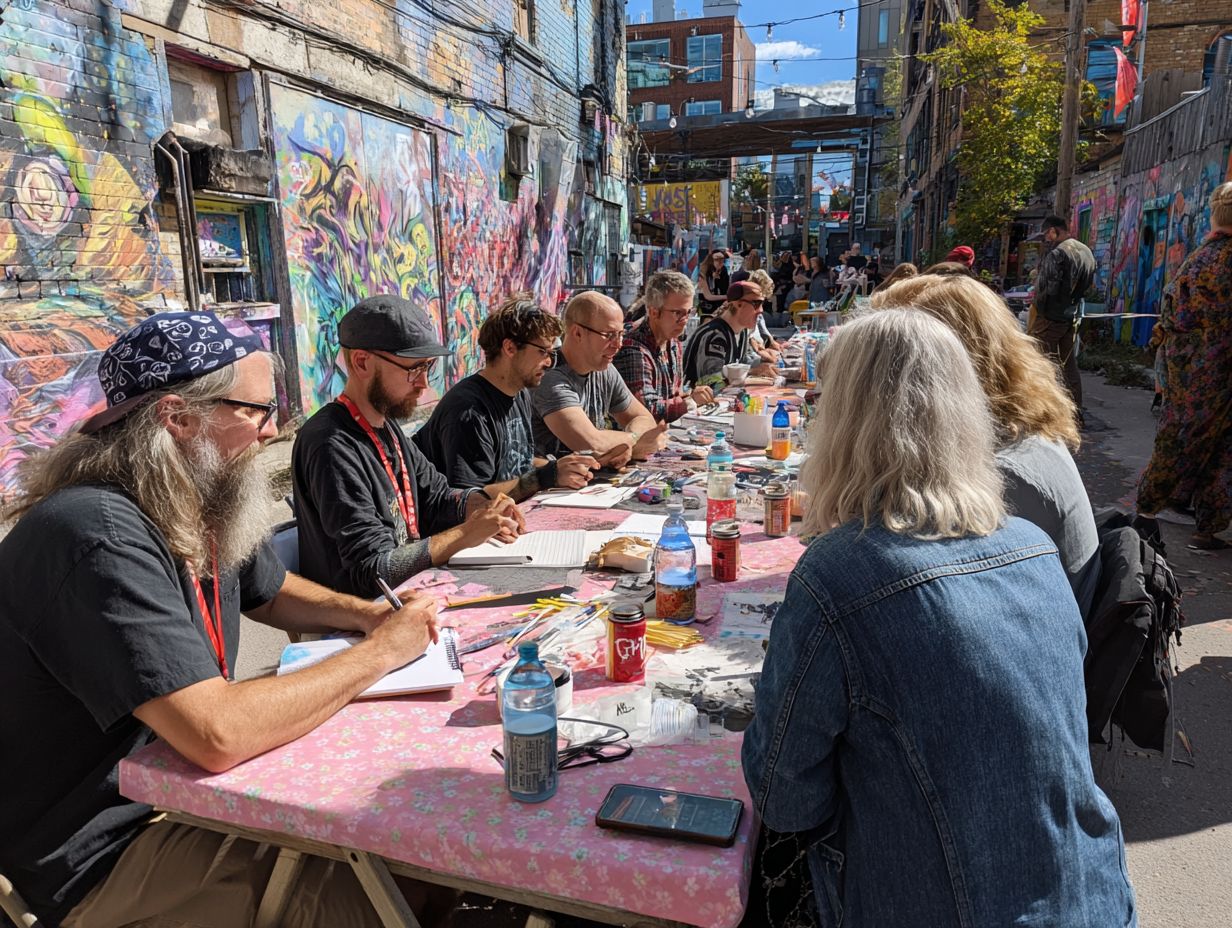
Informal meetups, such as local art jam sessions, create a relaxed environment for exchanging ideas and skill sharing, though they may not offer the structured learning some individuals seek. On the other hand, structured workshops led by industry professionals provide targeted training in specific skills, although they might come across as somewhat rigid.
It’s important to consider your objectives: if inspiration is what you seek, an informal meetup may be the perfect fit. However, if you aim to acquire specific techniques, structured workshops will likely serve you better. Striking a balance between both formats can offer diverse insights that truly stimulate your creativity and support your artistic synergy.
Join Online Communities for Global Connections
Numerous creative opportunities can emerge from virtual spaces when one knows where to look. However, newcomers often encounter pitfalls within these communities.
Common mistakes include:
- Neglecting to engage with others, which can hinder networking and community involvement;
- Posting infrequently, which may lead to missed connections and decreased online presence;
- Failing to personalize their profiles, resulting in decreased visibility and brand awareness.
Many individuals overlook community guidelines, putting themselves at risk of receiving negative feedback. To navigate these challenges effectively, it is essential to prioritize consistent interaction with fellow members, share work regularly, and develop an engaging profile that highlights skills and interests.
By taking these steps, individuals can cultivate a positive presence within the community, ultimately fostering collaboration and encouraging creative growth.
Reach Out with a Clear Proposal for Creative Projects
Crafting a compelling proposal can significantly influence whether a partnership or travel collaboration flourishes or diminishes. To create an engaging proposal, it is essential to begin by clearly defining your goals and understanding your audience. Tailoring your objectives to align with the potential partner’s mission is crucial.
For example, if you are proposing a collaboration with a nonprofit organization, it would be beneficial to emphasize how your skills can contribute to advancing their cause. Incorporating data-driven insights or relevant case studies can further strengthen your argument.
Utilizing tools such as Canva can enhance the visual appeal of your designs, while Grammarly can help ensure that your writing is polished and professional. Always conclude your proposal with a strong call-to-action, inviting further dialogue.
This approach not only fosters a meaningful connection but also demonstrates your genuine interest in the potential partnership and strategic development.
Offer Value in Return for Mutual Benefit
The most effective collaborations are often grounded in mutual benefit and shared objectives. A notable example of this is the partnership between a nonprofit organization dedicated to environmental sustainability and a technology company that specializes in renewable energy solutions, showcasing social responsibility and community support.
By combining their resources, they successfully launched a community education program that not only raised awareness but also offered practical workshops on solar panel installation, enhancing local insights and community engagement.
This collaboration led to a 30% increase in local solar installations, illustrating the tangible impact of working towards shared goals. Some key takeaways from this partnership include the significance of aligning missions and utilizing each partner’s strengths to formulate a meaningful and actionable plan for success.
Understand Cultural Differences for Better Collaboration
Navigating cultural nuances can indeed be challenging, but it is essential for successful collaboration in international settings. Understanding cultural dimensions plays a crucial role in enhancing teamwork. For instance, utilizing Hofstede’s Cultural Dimensions Theory can shed light on how cultural values shape behavior.
It is important to consider dimensions such as Individualism versus Collectivism and cultural sensitivity. In individualistic cultures, like the United States, assertiveness is often encouraged. In contrast, collectivist cultures, such as Japan, tend to prioritize group harmony. To effectively adapt to these differences, it is beneficial to invest time in team-building exercises that acknowledge and respect these cultural variations.
Additionally, tools like Kahoot! can facilitate engaging cross-cultural training sessions. Resources such as the ‘Cultural Intelligence’ app can also provide tailored strategies for effectively interacting with colleagues from diverse backgrounds.
Collaborate on Content Creation and Digital Storytelling
Imagine the potential of your next significant project merging your vision with local perspectives. Begin by identifying local influencers or community leaders who are relevant to your initiative for enhanced brand awareness and influencer marketing.
Make the first move by reaching out through social media platforms such as LinkedIn or Instagram to establish initial contact.
After that, consider scheduling informal coffee chats or virtual meetings to explore mutual interests in a relaxed setting. Tools like Google Meet or Zoom can facilitate these virtual gatherings, making them easily accessible.
As you progress, take the time to celebrate small victories together by sharing their stories on your project’s blog or social media, highlighting experiential marketing and visual storytelling. This not only highlights their valuable insights but also helps to create a sustainable collaboration framework.
By doing so, you foster authentic engagement and community involvement, all while amplifying the impact of your project.
Leverage Local Resources for Creative Economy
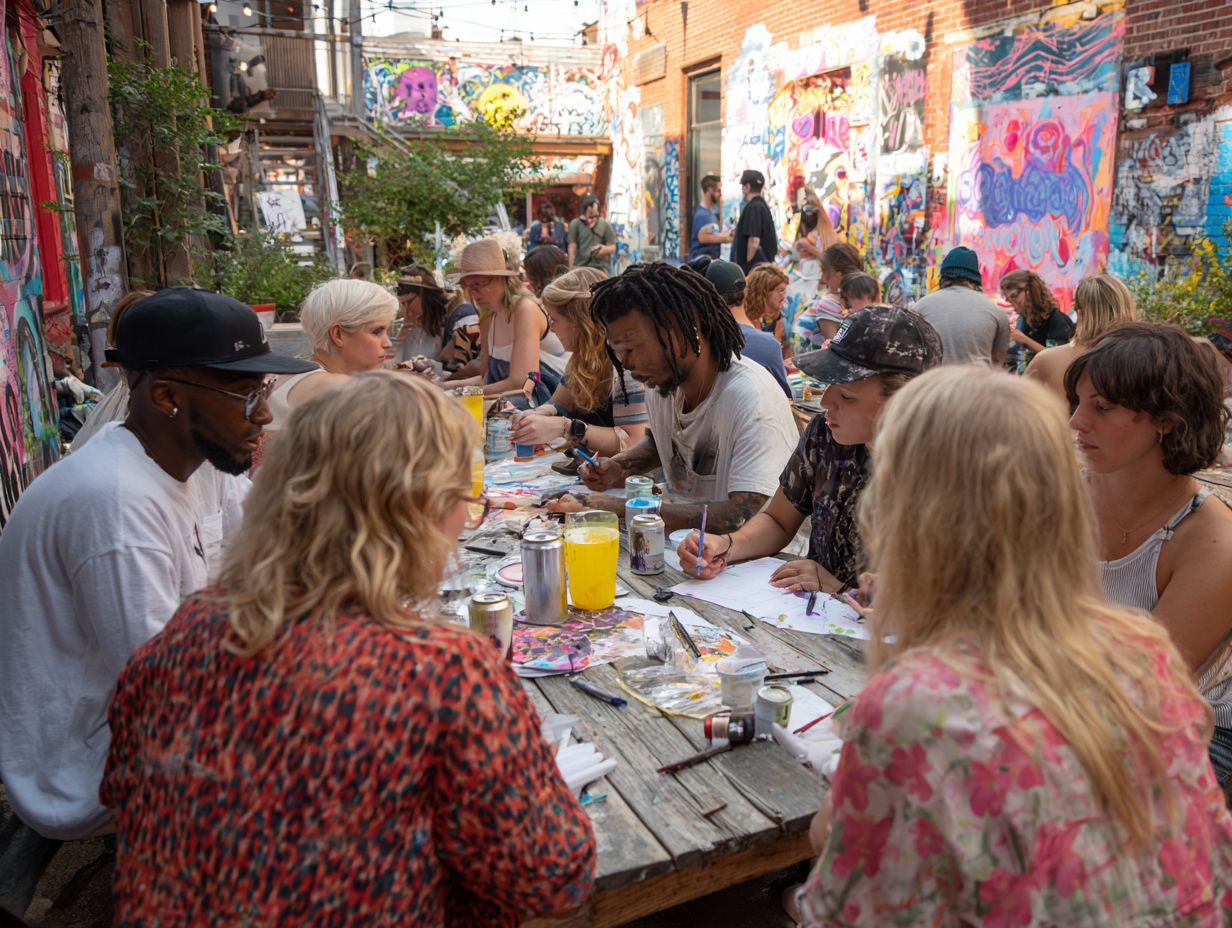
Many local areas are surprisingly rich with untapped resources just waiting to be discovered. Local libraries, for instance, often offer free access to workshops, technology, and networking events that can greatly benefit individuals and small businesses alike.
Take the New York Public Library, for example-it hosts seminars on digital marketing and entrepreneurship. Additionally, many community colleges provide affordable courses covering a wide range of skills.
Local chambers of commerce also frequently organize events that encourage connections among local businesses, offering invaluable support.
By exploring these resources, individuals can enhance their skills and expand their networks at little to no cost, ultimately contributing to the growth of their communities and creative hubs.
Document the Collaboration Process for Better Project Management
Every collaboration has its own narrative, but the challenge lies in capturing that story effectively. One useful approach is to utilize collaborative tools that improve documentation. For instance, Google Docs facilitates real-time editing, enabling all participants to contribute and provide feedback seamlessly.
Plus Google Docs, Trello can be beneficial for task management, allowing you to track project progress and assign responsibilities clearly, supporting effective project ideation. For those who prefer a visual approach to storytelling, Miro offers an interactive whiteboard experience that effectively captures brainstorming sessions and ideas.
Notion is another excellent tool, as it combines note-taking with databases, helping to maintain organized records. It is also advisable to schedule regular review meetings to discuss documentation, ensuring that everyone’s input is acknowledged and valued, enhancing communication skills and teamwork.
This method promotes clarity and accountability among team members, enhancing the overall collaborative experience.
What Platforms Are Best for Finding Creators and Creative Networking?
Have you ever thought about how the right platform can facilitate connections with local creative talents and foster creative partnerships? Platforms such as Meetup, Eventbrite, and Facebook Groups provide excellent opportunities for discovering and engaging with local creators.
For instance, Meetup enables individuals to join gatherings that align with their interests, fostering relationships with local artists and encouraging artistic networking. Eventbrite often hosts workshops and showcases, offering avenues for networking and collaboration. Similarly, Facebook Groups typically feature community-focused creators who share valuable resources and information about events.
By actively participating in these platforms, individuals can establish meaningful connections that may lead to collaboration, mentorship, or even friendship. It is advisable to follow up with participants regarding potential projects or partnerships, ensuring that these connections are nurtured for future opportunities.
How to Build Trust with Local Creators for successful co-creation?
Establishing trust serves as a crucial foundation for any successful partnership. To build trust effectively, it is important to begin by actively listening to your partner’s concerns. Acknowledging their feelings and asking clarifying questions can go a long way.
For example, if a partner expresses doubts about project timelines, validating their concern by discussing potential risks and solutions can be helpful. Sharing relevant experiences that highlight your credibility, such as previous successful collaborations, can further reinforce trust.
Utilizing tools like Zoom for face-to-face interactions can significantly enhance relationship-building and global citizenship experiences. Additionally, regular check-ins through shared platforms such as Slack or Trello can maintain transparent communication, further strengthening trust and commitment within the partnership.
What Legal Considerations Should I Keep in Mind?
Diving into artistic collaboration without clear legal parameters can lead to significant challenges. To avoid potential pitfalls, it is advisable to establish comprehensive contracts that clearly define roles, responsibilities, and profit-sharing arrangements.
Utilizing tools such as DocuSign can facilitate easy digital signatures and improve record-keeping for international collaborations. Additionally, protecting your intellectual property by registering copyrights for your work and discussing usage rights at the outset is essential.
Consulting with a legal expert who specializes in creative collaborations can offer tailored protections that suit your specific needs. Lastly, ensuring that a Non-Disclosure Agreement (NDA) is in place will help safeguard sensitive information exchanged between parties, fostering trust and transparency throughout the collaboration process.
How to Promote the Collaboration Effectively?
If a collaboration takes place but goes unnoticed, does it truly hold any significance for personal branding? To ensure that your collaborations gain the attention they deserve, it is essential to develop a well-defined promotional strategy.
Begin by identifying your target audience and the channels they are most likely to engage with.
Social media platforms, such as Instagram and Twitter, can serve as effective avenues for announcements and enhance audience engagement. Utilizing relevant hashtags will help expand your reach significantly. Creating visually appealing graphics that highlight the collaboration, along with sharing behind-the-scenes content, can also generate interest. Tools like Canva can facilitate the quick design of these promotional assets.
It is important to encourage all collaborating partners to disseminate the news through their own networks. This multi-faceted approach will enhance visibility and drive engagement across a variety of platforms.
What to Do After the Collaboration Ends?
The conclusion of a collaboration does not have to signify the end of the relationship. To maintain professional connections after a collaboration, consider following these actionable steps:
- Reach out with a personalized thank-you email, highlighting specific moments or accomplishments from your work together.
- Schedule a follow-up coffee chat, whether virtually or in person, to explore future possibilities.
- Utilize social media by engaging with their content, ensuring your presence remains visible within their network.
- Consider sending periodic updates about your progress or projects that align with their interests; this demonstrates your ongoing commitment.
Implementing these practices not only fosters goodwill but can also pave the way for future opportunities.
How to Identify Your Goals for Collaboration?
What motivates you to seek collaboration in the first place? Understanding your reasons for wanting to collaborate is crucial. It may be helpful to reflect on the following guiding questions:
- What skills do you hope to acquire from others?
- Are there specific projects or goals that require a diverse range of expertise?
Engaging in a brainstorming session with potential partners can help to clarify these objectives. Utilizing tools like Miro for visual mapping or Trello to organize ideas can be quite effective.
Additionally, it is beneficial to establish clear roles and expectations from the outset to ensure that everyone is aligned with the collective vision, which ultimately fosters a productive and harmonious working environment.
How to Manage Collaborative Projects?
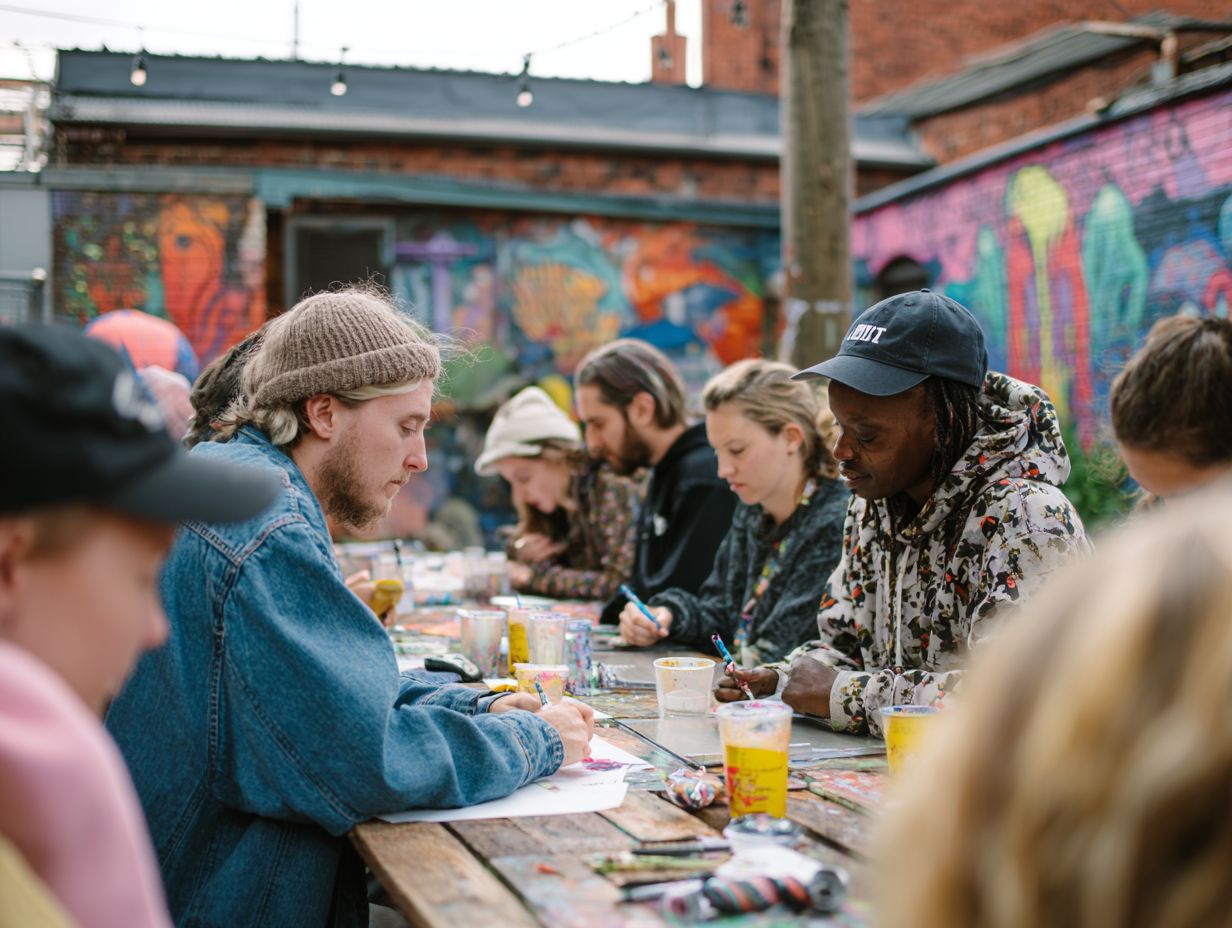
Managing multiple collaborators can indeed feel overwhelming, but it doesn’t have to be. To streamline the collaboration process, it is essential to begin by selecting the right project management tool. For instance, options like Trello allow for visual task organization, while Asana provides robust tracking features that can enhance productivity.
Additionally, establishing clear communication channels is vital. Tools like Slack are excellent for facilitating real-time discussions and file sharing. Regular check-ins are also crucial; consider scheduling brief meetings each week to review progress and address any roadblocks.
It is important to document everything thoroughly. Utilizing Google Docs for collaborative note-taking ensures that everyone remains aligned and informed. By implementing these strategies, you can create a more efficient and motivated team environment.
How to Evaluate Collaboration Outcomes?
Evaluating the success of a collaboration is essential for making future improvements. To effectively assess collaboration outcomes, it is advisable to establish a framework that incorporates both quantitative and qualitative measures.
Begin by tracking specific metrics such as project completion times, budget adherence, and stakeholder satisfaction through surveys or interviews.
For the qualitative aspect, gathering feedback on team dynamics and the effectiveness of communication is crucial. Tools like Trello or Asana can assist in visualizing project progress, while Google Forms can facilitate the collection of anonymous feedback.
By regularly reviewing these metrics, you will be able to identify patterns and areas that need improvement, ultimately enhancing future collaborative efforts with creative alliances.
How to Handle Conflict in Collaborations?
Disagreements are a natural part of any partnership, and how one navigates these conflicts truly shapes the collaboration.
To effectively resolve conflicts in collaborative workshops, it may be beneficial to consider the following strategies:
- Practice active listening to fully understand each other’s perspectives.
- Utilize ‘I’ statements to express your feelings without assigning blame.
- If tensions rise, it might be wise to take a break until emotions settle.
Additionally, utilizing tools such as the Thomas-Kilmann Conflict Mode Instrument can help individuals identify their conflict resolution styles, allowing for more tailored approaches to conflict management. Creating an environment that encourages open communication and regular check-ins can also significantly reduce misunderstandings before they escalate.
Establishing ground rules for discussions collaboratively-such as setting a time limit or agreeing to avoid interruptions-can further ensure that dialogues remain respectful and productive.
How to Create Win-Win Partnerships?
Successful collaborations result in all parties feeling enriched and valued. To cultivate such partnerships, it is essential to begin by clearly defining the goals for each participant.
For example, during your initial meeting, take the time to outline individual objectives and explain how these align with the overall purpose of the project.
Employ tools like Trello for effective task management, ensuring that everyone understands their responsibilities. Regular check-ins, perhaps on a weekly basis via Zoom, can help maintain open lines of communication. It is also important to foster a culture of feedback, encouraging team members to express their thoughts and ideas freely.
This collaborative approach not only builds trust among participants but also enhances creativity, ultimately leading to innovative solutions that benefit everyone involved.
How to Tap into Local Cultural Insights?
Cultural insights can serve as a valuable tool for fostering impactful collaborations and promoting cultural immersion.
To gain a better understanding of local cultures, it is important to begin by identifying community mentors who possess the contextual knowledge you seek. These mentors often include local leaders and educators who are well-versed in regional traditions and values.
Engaging in local traditions, such as festivals and community events, provides an excellent opportunity to observe and participate firsthand. Additionally, utilizing social media platforms to follow and interact with local voices can keep you informed about evolving cultural narratives and support engagement strategies.
By combining these approaches, you not only deepen your understanding but also build trust within the community, ultimately paving the way for meaningful travel collaborations.
How to Build a Sustainable Collaboration Model for Digital Nomads?
Sustainable collaborations represent the future of creative partnerships in our increasingly globalized world. To establish effective sustainable collaborations, it is essential to implement a framework that emphasizes shared goals, collective responsibility, and virtual collaboration.
- Begin by identifying common objectives that resonate with all partners involved in project collaboration.
- For example, in the context of collaborating on an art initiative, it is important that each party brings unique skills to the table-artists can offer their creativity, while marketing teams can focus on promotion.
In addition, utilizing collaborative tools such as Slack for communication and Trello for project management can enhance the efficiency of the partnership, especially for remote work. Regular progress assessments and strategy adaptations should be conducted through bi-monthly meetings. This ensures that all parties consistently re-evaluate their contributions and remain committed to achieving the shared outcomes through effective engagement metrics.
How to Foster Creative Synergy in Creative Industries?
Imagine if your next partnership could ignite a wave of creative innovation. To cultivate creative synergy among collaborators, it is beneficial to start with structured brainstorming techniques, such as mind mapping. This visual tool enables participants to recognize the connections between ideas, which can inspire new thoughts.
One effective method to consider is the ’round-robin’ brainstorming approach, where each member takes turns contributing an idea, ensuring that everyone has the opportunity to share their thoughts. Fostering open dialogue is essential; creating a safe environment by establishing ground rules-such as deferring judgment on ideas at first-can promote creative diversity and make a significant difference.
Utilizing tools like Miro or Google Jamboard can further enhance collaboration, allowing team members to share ideas and refine their concepts in real-time for better idea exchange.
How to Use Feedback Loops Effectively?
Feedback loops play a crucial role in fostering continuous improvement within collaborations, especially those involving peer-to-peer learning. To implement effective feedback loops, it is advisable to establish regular check-in meetings with all stakeholders involved.
Creating an environment that encourages open communication is essential; this can be achieved by fostering a safe space where individuals feel comfortable sharing their perspectives, which is vital in relationship building.
Utilizing tools such as SurveyMonkey or Google Forms can facilitate the collection of anonymous feedback, allowing for the identification of areas needing improvement. Once feedback has been gathered, it is important to prioritize actionable points and develop a follow-up plan.
Regularly revisiting these feedback points during subsequent meetings reinforces a culture of continuous adaptation. This iterative process not only enhances team collaboration but also significantly improves overall project outcomes.
How to Scale Your Collaborative Efforts?
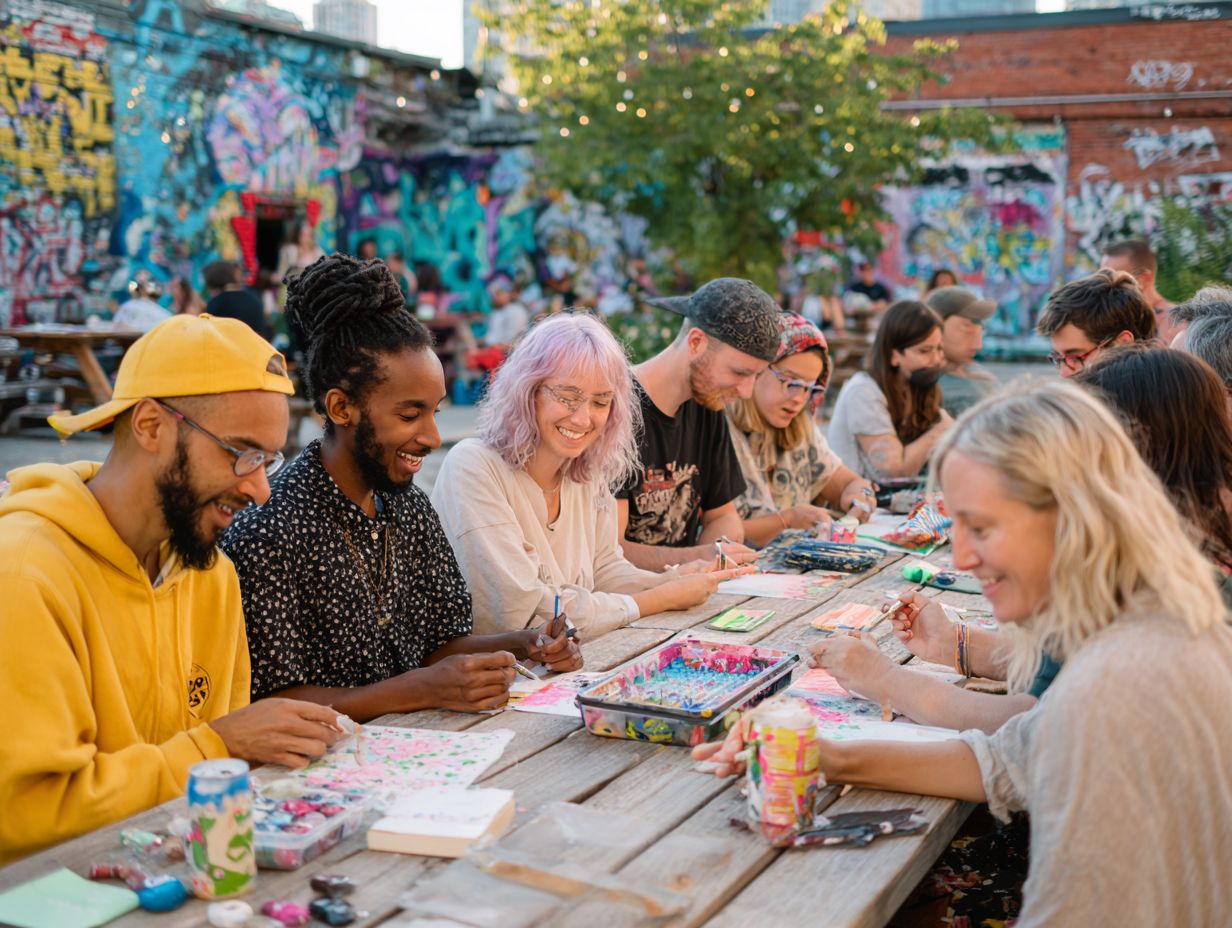
Scaling collaborative efforts can significantly enhance your impact and support content distribution. To do this effectively, begin by identifying new partners who align with your values and goals. Utilizing platforms such as LinkedIn or industry-specific forums can be a great way to research potential collaborators.
Once you have identified suitable partners, focus on expanding your outreach through joint webinars, social media campaigns, newsletters, or sponsorship opportunities. For instance, if you team up with a complementary brand, you could host a joint event that allows both parties to leverage each other’s audiences.
Additionally, consider employing tools like Asana or Trello to manage project tasks and facilitate communication, ensuring that all involved engage in effective strategy development. This structured approach ensures that everyone involved remains aligned and is working towards shared objectives.
For more destination guides, gear reviews, and creative inspiration, visit Traveling Tips for Models and Creators and start planning your next unforgettable shoot.
Frequently Asked Questions on Travel Collaborations
What is the best way to find and collaborate with local creators while abroad?
The best way to find and collaborate with local creators while abroad is to do some research beforehand and utilize online platforms such as social media, creative networks, or co-working spaces. You can also reach out to local organizations or attend events related to your industry to network and connect with potential collaborators.
How can I communicate effectively with local creators despite language barriers?
It’s always helpful to learn some basic phrases in the local language, but if that’s not possible, you can use translation apps or hire a translator to join your collaboration. Non-verbal communication, such as body language and visual aids, can also help bridge any language barriers.
What are some ways to build a strong working relationship with local creators?
Building a strong working relationship with local creators while abroad requires clear communication, mutual respect, a willingness to compromise, and understanding of cultural heritage. It’s important to establish expectations and boundaries from the beginning and maintain open and honest communication throughout the collaboration.
How can I ensure that my collaboration with local creators is culturally respectful?
To ensure cultural respect in your collaboration, take the time to learn about the local culture, customs, and values. Be open-minded and willing to adapt to local practices and traditions. It’s also important to listen and be respectful of different perspectives and avoid making assumptions or stereotypes.
What are some potential challenges when collaborating with local creators while abroad?
Sometimes, language barriers, time differences, and cultural differences can create challenges in collaborations with local creators while abroad. It’s important to be patient, flexible, and understanding when facing these obstacles. Clear communication and mutual respect can help overcome these challenges.
How can I make the most out of my collaboration with local creators while abroad?
To make the most out of your collaboration with local creators while abroad, be open to new ideas and perspectives, embrace the opportunity for skill development, learn, and grow. Take advantage of the local expertise and resources, and be sure to document your collaboration to share with your audience and continue the collaboration remotely after returning home.